


The Purpose Catalyst: Leadership, Risk & Resilience with Dr. Connie Y. Bell

 Apple Podcasts Apple Podcasts
  YouTube YouTube
  Spotify Spotify
  iHeartRadio iHeartRadio
  Amazon Music Amazon Music
  Overcast Overcast
  Castro Castro
  RSS Feed RSS Feed
  Deezer Deezer
  Gaana Gaana
  PlayerFM PlayerFM
  JioSaavn JioSaavn
  TuneIn TuneIn
  RadioPublic RadioPublic
  Audible Audible
  Castbox Castbox
  Pandora Pandora
  Podcast Addict Podcast Addict
  Spreaker Spreaker
  Podchaser Podchaser
 Key Takeaways
- Authentic leadership is about being real and integrating life experiences, including struggles, rather than striving for perfection.
- Personal purpose provides a stable anchor that corporate strategies, which can expire, cannot offer.
- Embracing your authentic self and voice in professional settings adds unique value and diverse solutions.
- Resilience learned from life's challenges is a powerful asset to bring into the boardroom.
- Leading with integrity and helping others grow is a personal mission that naturally aligns with corporate roles.
- Speaking up and valuing one's voice is crucial for career advancement and addressing workplace issues.
purpose-driven leadership
The Purpose Catalyst: Leadership, Risk & Resilience with Dr. Connie Y. Bell
What if the most powerful thing you can bring to the boardroom is exactly what they told you to leave at the door? Host Deneen L. Garrett sits down with Dr. Connie Y. Bell in this episode of The Execution Series: Power, Pivot & Purpose. Dr. Bell is a transformational executive leader, doctoral mentor, and author who excels at the intersection of leadership, risk governance, and human resilience. As Senior VP of Security Risk and founder of the Beyond the Bell Collective™, she shares invaluable insights for anyone looking to move from professional stagnation to strategic clarity.
In this intimate conversation, Dr. Bell delves into the core elements of purpose-driven leadership, resilience, and authentic self-expression in the corporate world. She guides listeners through pivotal moments in her own journey, revealing how deeply personal experiences have shaped her professional ethos and leadership style. This episode is a masterclass in understanding how to harness your unique strengths and navigate complex professional landscapes with integrity and impact.
Discovering Your Purpose and Unlearning Performance
Dr. Connie Bell's journey to leadership began long before her titles. From an early age, she understood that resilience was a crucial tool for survival and for shifting family trajectories through education. However, significant life events, including cancer and the loss of her daughter, prompted a profound shift in her perspective. She moved from a relentless pursuit of achievement to a more introspective quest: "Who am I called to become? And who am I called to serve?" This internal recalibration transformed her approach to leadership, anchoring it in purpose rather than just performance.
A key theme explored is the necessity of "unlearning" the pressure to constantly perform and always have the answers. Dr. Bell asserts that authentic leaders are not defined by perfection but by their realness. By integrating life experiences, including struggles, into their professional persona, leaders can foster deeper trust and more impactful connections. This authentic presence, defined as showing up and expressing oneself genuinely rather than conforming to external standards, is what brings unique value and diverse solutions to any team or organization.
Navigating Corporate Challenges with Resilience and Authenticity
The conversation highlights critical moments that shaped Dr. Bell's understanding of leadership and self-worth. Early in her career, a hesitation to speak up hindered her progress. This experience underscored the importance of valuing one's voice. Later, she learned to define herself holistically, recognizing her value beyond her corporate role—as a mother and community member—which significantly improved her well-being after a period of feeling devalued in a previous workplace. This self-anchoring proved essential for navigating corporate challenges.
Dr. Bell also shares a powerful account of choosing to speak up, inspired by a past regret of not reporting inappropriate behavior, and the profound impact this has on protecting future colleagues. The episode tackles how personal purpose and corporate strategy can and should be aligned. Dr. Bell believes her core values of integrity and helping others naturally translate into her leadership, enhancing team performance. She even recounts a situation where an allegation of biased hiring, while factually inaccurate, paradoxically affirmed her commitment to leading with her faith, showcasing how authenticity can manifest even in challenging accusations.
As Dr. Bell wisely states, "Corporate strategies have an expiration date. Purpose doesn't." This episode offers a compelling framework for integrating personal purpose into professional life, fostering resilience, and leading with authentic impact.
Connect with Dr. Connie Y. Bell:
LinkedIn: https://www.linkedin.com/in/connie-bell/
Instagram: https://www.instagram.com/shades_of_strength26/
Join the Movement: Are you a Black woman 50+ ready for your next chapter? Join the Dream Lifestyle™️ Collective — the newsletter built for strategy, sisterhood, and your next bold move. Visit: dream-lifestyle-collective.beehiiv.com
Women of Color: An Intimate Conversation is a Top 20 Women's Empowerment Podcast · YouTube U.S. Top 1% · Global Top 8.5% · Top 5% of podcasts worldwide. New episodes every Thursday.
Subscribe · Leave a Review · Share with a woman who needs this today.
Host: Deneen L. Garrett, Cultural Alchemist & Media Architect, Creator & Host, Women of Color: An Intimate Conversation
Official Website → deneenlgarrett.com
Live every Thursday at 1PM ET on YouTube → @DeneenLGarrett
WOC Live | June 2026 — The Execution Series: Power, Pivot & Purpose
📅 6/4 — Tanya Spencer | Power & "Bad-Asshery"
📅 6/11 — Nicole Welch | The Control Room Catalyst | Mastering the Pivot
📅 6/18 — Dr. Connie Y. Bell | The Purpose Catalyst | Purpose-Driven Leadership & Strategic Authority
📅 6/25 — Ebony Goodrich | Leadership is More Than Being "Qualified" | The Spiritual Pivot
Frequently Asked Questions
What is Dr Connie Bell's philosophy on leadership?
Dr. Connie Bell believes leadership is about empowering others and leaving them stronger, emphasizing authenticity and purpose over titles or perfection.
How does Dr Connie Bell define authenticity in leadership?
Authenticity in leadership means showing up as yourself, speaking and thinking in your own way, rather than trying to emulate others, which brings unique value.
What role does resilience play in Dr Connie Bell's leadership approach?
Resilience, honed through life's challenges, is a powerful asset that Dr. Bell advocates bringing to the boardroom, enabling navigation of global threats and personal well-being.
How can leaders align personal purpose with corporate strategy, according to Dr Connie Bell?
Dr. Connie Bell suggests that personal purpose, like integrity and helping others, naturally overflows into corporate roles, enhancing team performance and creating strategic clarity.
Deneen L. Garrett (0:00): The most powerful thing you can bring to the boardroom is the very resilience they told you to leave at the door. Today, we continue our June series, the execution series, power, pivot, and purpose, by diving into the power of purpose. If you are ready to move from professional stagnation to strategic clarity, you are in the right place. Let's go. Hello, and welcome back to women of color live, the live version of women of color and intimate conversation, a top 20 women's empowerment podcast.
Deneen L. Garrett (0:48): We center and empower women of color. We also have a free newsletter built specifically for black women 50, the Dream Lifestyle Collective weekly rhythm. Go to deninogarrett.com to get started. And shout out to the production team at the Leon Thomas Group. Today's guest is doctor Connie Bell, a senior vice president of security risk, a transformational executive leader, a doctoral mentor, founder of the Beyond the Bell Collective, and author of shades of strength.
Deneen L. Garrett (1:26): This month, we are in the execution series power, pivot, and purpose. Today, June 18, we are centering our conversation on purpose. Doctor Bell, welcome to women of color.
Dr. Connie Bell (1:38): Thank you. I am so excited to be here, and thank you for allowing me to talk to you and your guest.
Deneen L. Garrett (1:46): Yes. Absolutely. I'm excited to chat with you as well. We're gonna get into the book, which I did finish. So I took it as homework, and I made sure it was done.
Deneen L. Garrett (1:56): I dog ears so many different pages, so I'm gonna kinda like, let me just go pop here and and ask a question from that. So that's
Unknown Speaker (2:03): fine. That's wonderful.
Deneen L. Garrett (2:05): That's how the conversation is gonna go. So those who are watching, engage with us. Pop into the, comments. Leave WOC for women of color. Leave Dreamer if you're part of the Dream Lifestyle Collective, and leave a heart if you're a family or friend.
Deneen L. Garrett (2:20): We wanna know you're out there. And if you have any questions or comments, drop those as well. So doctor Connie and I, we go back. We were talking a little bit beforehand, and she, gave me greetings for her son, which is I worked with him back in Las Vegas, so we both were in Vegas. I think Reno came in 2008.
Deneen L. Garrett (2:40): I came a little bit later in 2009. And then later, doctor Connie and I were connected. We were gonna kinda, like, work together. She's running her centers. We were in a center in Vegas, and and we were gonna kinda, like, partner me as a manager.
Deneen L. Garrett (2:57): Shout out to Connie McGrew, who's gonna, connect all of that. So that was my first, introduction to doctor Connie, and I'm so excited of all the things that she's doing. Again, reading her book, learning more about her, and, again, we'll get more into that. So, doctor Connie, who were you before the senior VP title in the doctoral credentials? And what was the specific decision that shifted how you saw yourself as a leader built for transformational purpose?
Dr. Connie Bell (3:29): Well, let me say, long before anyone called me a senior vice president or doctor Bell, I was simply a young girl who believed education could change the trajectory of of a family. So I'm the first in my family to graduate from college with a doctorate. And I learned very early that resilience wasn't optional. For me, it was about survival, and you probably read a lot of that in my book. Throughout my career, like most of us, I kept chasing the next title, the next promotion, the next achievement because I believe that success was measured by what I accomplished.
Dr. Connie Bell (4:10): And let me say, I'm proud of those accomplishments, but purpose changed everything. When I had cancer, that changed everything. Becoming a survivor changed me. Most recently, losing my daughter, I can honestly say has been or is still changing me. Those experiences forced me to ask different questions.
Dr. Connie Bell (4:33): So instead of asking, what else can I achieve? I started asking, who am I called to become? And who am I called to serve? Because I think leadership is a lot about servitude. So the I would say the shift transform that shift transformed my leadership.
Dr. Connie Bell (4:52): So today, whether I'm leading global incident response for thousands of employees or mentoring doctoral students, my focus isn't just on solving problems. It's helping people to discover, even in a crisis, there is a purpose. Leadership isn't about having the highest title in the room. It's about leaving people that are in the room or on your team stronger because you were in that room. So that's the leader I strive to be every day.
Deneen L. Garrett (5:23): I love that. That's beautiful. Serving. Who who am I called to be and who am I called to serve? Those are beautiful things to live by.
Deneen L. Garrett (5:37): So I'm so glad that you are living by that. And I've seen it. Right? As I mentioned, we've known each other for a while and from a distance and whatnot. But I've seen that.
Deneen L. Garrett (5:48): I've seen that leadership from you, and so I appreciate everything that you're doing. And, again, the book, learning so much about you and absolutely resilience is woven throughout your book. And it's definitely a book for others to learn from, to glean from, to, let them know that they're not alone, that they have some similarities, may have maybe experiencing those same things that they may have experienced them in the past. And then also to let them know that, you know what, regardless, they may come back, and and this is how we get through it. This is how we we navigate that.
Deneen L. Garrett (6:24): Exactly. So leading global strategies for incident response and fraud detection requires high level execution. What did you have to unlearn about performing to fully step into the purpose driven leadership you embody today?
Dr. Connie Bell (6:41): Well, that's a big that's a big question. But I would say I had to unlearn the belief that my value came from always having the answers. So in in corporate, especially for us women of color, you often are taught to outwork everyone. You're taught it's important that you prove yourself, not just one time. It's repeatedly.
Dr. Connie Bell (7:03): Right? And make sure that no one ever questions your confidence. And that mindset helped me to succeed, but it also can become exhausting, like, because you're constantly, I call it performing or being on instead of simply leading. I recall a study, showing I recall showing or just just kind of studying my performance results, like hours on end. Right?
Dr. Connie Bell (7:28): Because I was afraid to be asked a question that I didn't have the answer for on the tip of my of my tongue. And when I tell you that was exhausting, that was truly exhausting. But I think the difference between that and purpose, purpose taught me something so much differently. People don't need to be perfect leaders. They need to be authentic leaders.
Dr. Connie Bell (7:50): So today, I can stand here and say about security, about executive leadership. I can talk about cancer survivorship, grief, resilience, and the same conversation because they're all part of my leadership story. And that's how I found my authentic self. I'm better personally, and I'm also better professionally when I show up with my authentic self.
Deneen L. Garrett (8:16): And so, you know, we talk a lot about authenticity. Right? That's been something that has been talked about in the corporate world for the last probably five to ten years. How are you defining authenticity?
Dr. Connie Bell (8:30): So I think when what my experience has taught me, again, as a woman of color, and that coming into some rooms, you have to strength yourself, so who you really are, to become like the individuals in the room. And I think authenticity is where I come in the room and I'm just myself. I speak like myself. Right? I think like myself.
Dr. Connie Bell (8:57): I'm not trying to be that picture perfect of all those individuals in the room. And I think there's strength in that because if everybody in the room is the same, right, then how are you getting something different in terms of solutions? And so I think there's strength. I think but I think that we often come into a room and we think I have to either shrink myself or I have to prove myself. But in order to do that, I have to look, sound, and act like everyone else in the room.
Dr. Connie Bell (9:27): There's no diversity of thought in that. So I think that when I come in, I am who I am. I speak like I speak. I think like I think. I believe that there's value in that, and I'm adding to the room versus trying to be the same.
Dr. Connie Bell (9:41): And I think that's what authentic authenticity is, is just continuing to be yourself in whatever platform you're in at that particular time.
Deneen L. Garrett (9:49): Yeah. And so in the book, you do talk a lot about how you showed up in rooms. Right? And going back to, you know, growing up, how, you know, I think you I think you talk about shrinking a lot, even early on. And then even if you didn't use the word shrinking early on, being quiet and not being seen.
Deneen L. Garrett (10:12): Right? And so that's kinda how you navigated your earlier years, you know, not being seen, and you found comfort in that. Then you get into the workplace, and then at some point, you realize that, okay. There is there is the comfort of me, not being seen, not being heard. Right?
Deneen L. Garrett (10:30): I can move up under under the radar. And then you're like, well, however, I wanna move to the next level. So what would you say is probably the most pivotal thing that you learned out of the different experiences that you just shared with us? Right? The corporate, the, grief, the, cancer, losing your daughter, what would you say was probably the most pivotal thing that happened to you where you said, you know what?
Deneen L. Garrett (10:57): I need to be visible.
Dr. Connie Bell (10:59): So I I think that first of all, I don't think you have one you have several pivots throughout your career. Right? And so I think the most the earliest one was is that there was an opportunity for a role, that was considered a promotion, for me, and I was having I think I talked about this in the book. I had a, a boss who talked about, you know, you're you're smart, you're sharp, you have the numbers, but you're quiet. Mhmm.
Dr. Connie Bell (11:26): And so I I thought I always thought if I have the results right? I have the results which tell you that I have the skills to to do the role, and I was already doing particular aspects of my boss's role, then, you know, do I do I really have to speak? And I kept saying to myself, I don't like to talk. They're not gonna make me talk. Nobody's gonna make me talk.
Dr. Connie Bell (11:46): I'm just not gonna speak. But what I realized is that prevented me from accelerating to the next to the next role. So I think the the first thing is that I do have something to say. And I'll never forget it. I don't know if Deb is watching, but Deb people pulled me aside one day.
Dr. Connie Bell (12:00): And she said, you know the answers. Why don't you say anything? But I was always worried about, someone looking at and saying, she doesn't talk right. She didn't enunciate that correctly. Look at her.
Dr. Connie Bell (12:13): And I and in the book, I talk about, you know, one one of the reasons I talk I talk in the book about, like, I I didn't value the way that I looked or my color or my appearance. So I didn't want that attention. I didn't want people not just to talk to me because I didn't think I can articulate in my response, but also to I didn't want them to notice me because I was used to, as you know, as a kid, just kinda quietly. If I can sink into the background, if I can get into sink into that background and no one sees me, that was perfectly fine. But what I found was is that that was going to impede my ability to ascend to different levels if I didn't talk about what I knew.
Dr. Connie Bell (12:50): So when I first started, that first pivot was, okay. Speak up. But that first pivot, I was trying to speak in a way that everybody else was speaking. Made it very uncomfortable. So I had to study as hard.
Dr. Connie Bell (13:01): I have to study my results, like, on end, and I had to, like, practice being able to say it in a way that I thought it should be said. Right? Which oftentimes, if a follow-up question come, it it caused me to have to, like, wow. You know? It it's like that brain freeze for a moment.
Dr. Connie Bell (13:16): Correct? So so that was that first. But that second one says, when I just get in the room and I just talk like Connie, I do so much better. I can articulate my results. I can articulate what my team is doing.
Dr. Connie Bell (13:28): I can articulate what we're gonna do in the future. I was able to not only perform, but tell people how I was able to accomplish those results, which I think also helped in that ascension to those results. The the most recent pivot, I would say, is six years ago when I start when I decided to retire from my previous company to come to this company that I'm hit with today. And that was experiencing being in a workplace that doesn't value you. Makes you feel your will puts your well-being at risk, your mental stability as well as your physical stability at risk because of that lack of value and the way that they treat you.
Dr. Connie Bell (14:15): Because I always define myself by my role. Mhmm. And so what I had to do was start defining myself, not by my internal role to the company that I was working for, but I was a mom. I was a person who volunteered. Right?
Dr. Connie Bell (14:32): I sat on boards. So there was other things that made up me holistically rather than just that particular role. So I think once I started to value me outside of the role, right, then I think that I felt better physically and emotionally. So I think that was the most recent pivot. When I think about today, my legacy won't be measured by the number of incidents my team resolved or the fraud we prevented.
Dr. Connie Bell (14:59): It will be measured by leaders I've helped develop, the doctoral students who finished because I believed in them, the women who found their voice because I shared mine, and the people who realized that their hardest season didn't disqualify them, but it prepared them. So my hardest season didn't disqualify me. It prepared me for the role that I'm in or the roles that I'm in today. Corporate strategies have an expiration date. Purpose doesn't.
Deneen L. Garrett (15:28): I love that. Corporate strategy has an expiration. Purpose doesn't. And you're so right about that. Right?
Deneen L. Garrett (15:33): And what you just said as far as, you know, what you're doing, it gives others permission to do the same. And so when we do, you know, shrink, when we do stay quiet, when we have something to say, you know, we're telling everybody else to to do the same. So when we flip that and we go ahead and speak out and, you know, we're visible, you know, we're having that exposure, we're letting other people know that, yes, it's fine for you to do the same. And, yes, you deserve to be out front. Yes.
Deneen L. Garrett (16:01): You deserve the visibility, the exposure, and all the things. And so to those who are watching, those who are listening, know that. Like, oftentimes, when you hold back what's in you, your gifts, it's a disservice to yourself first, and then it's definitely a disservice to other people.
Dr. Connie Bell (16:18): Yeah. When you talk about disservice to other people, and I talk about this in the book, is that there was an incident that happened, when, I was young in my career, young as a manager, and we had a team team dinner, team event, or what have you. And I had one of the executives come and actually shared a he didn't sit in not by me. I won't say he sat didn't sit by me. He sat in my chair, and he he actually, you know, started rubbing my leg.
Dr. Connie Bell (16:45): And being young in my career, I didn't know what to do. Right? And I had someone next to me, and I kinda nudged her because, you know, we're, like, staring at each other. Like, I don't know. I don't know what to do.
Dr. Connie Bell (16:56): And I I didn't report it. Mhmm. I didn't I'd rather not talk about it ever again, and the book for right forced me to face to face that again. But it's like, I what what haunts me every day is the fact that I wonder how many young ladies came behind me that had that same experience with him because I didn't speak up.
Unknown Speaker (17:16): Yeah.
Dr. Connie Bell (17:17): And that's gonna forever it's it's never gonna go away. What it has taught me, I don't have a problem now speaking up. That's for sure.
Unknown Speaker (17:24): Right. Right.
Dr. Connie Bell (17:26): But I probably did a disservice to young women who were forced to work for that leader and and may have, like, have that same experience that I did.
Deneen L. Garrett (17:35): Yes. And you know what? And and so this is common, though, which is sad. Right? Because I don't know what I was listening to, watching, or something similar came up and a person, you know, said the same type of thing, like, dang, you know, had I said something.
Deneen L. Garrett (17:48): You know, like, what how many women, you know, had to go through the same thing because I didn't. True. And you did what you could. Right? You you know, in here, we said survival.
Deneen L. Garrett (18:00): You were surviving. You were living. You had people who depended on you, you know, your kids, your fam other family members. So you did what you knew to do, and that's fine. And we, you know, give ourselves grace regarding that.
Deneen L. Garrett (18:15): And, yes, you're right. There are others who came behind possibly because you didn't speak up. Yes. Yes.
Dr. Connie Bell (18:23): And it's it's haunting. It's haunting because it's like, maybe that leader didn't I mean, just think about it. It wasn't it's it's about the people who came behind. It's about that leader because maybe he didn't realize, like, the impact that he was having on me as an individual Mhmm. Right, and as a female.
Dr. Connie Bell (18:45): Right? Because of that experience, it didn't you know? Because in at that time, a lot of the leaders we have were males. Right? And so it did make me very cautious.
Dr. Connie Bell (18:56): Not naive. Just even having a conversation with them. Definitely wasn't gonna sit next to them. Right. Oh, it's like that's never gonna happen again.
Dr. Connie Bell (19:06): You know? But it it's like, you know, he probably could have used that feedback to say, okay. You know what? Let me course correct. Mhmm.
Dr. Connie Bell (19:14): Well, and when somebody doesn't say anything to change the behavior, right, the behavior can continue to happen over and over again. So he he may have gone and and did that, over and over again where my speaking up may have changed not only my life, others' life, but his life, you know, as well.
Deneen L. Garrett (19:32): Yeah. Yeah. But, again, you learn you know, today, you're different. Today, speaking up. You know?
Deneen L. Garrett (19:40): Again, you knew how to move around the situation. So you did. Right? You still did help people or at some point, you did. And so, again, you know, we need to give ourselves grace when we didn't act the way that we think, you know, it could have in know, it could have made a difference for people who came behind us.
Deneen L. Garrett (19:58): That's fine. For your reasons, you didn't, but you're doing it now.
Unknown Speaker (20:04): Yes. Absolutely.
Deneen L. Garrett (20:06): So, doctor Connie, you lead global security risks, and you're also a breast cancer survivor and author of States of Strength. Most leaders separate their survival from their strategy. You haven't. What does anchoring your strategy and your personal purpose make possible that a corporate plan alone never could? And hold that thought.
Deneen L. Garrett (20:28): We'll be back after this break. I've been doing this work for a while, building credentialing, showing up week after week for women of color, and more recently for black women 50 who deserve a seat at every table in every room. And I want you to know the rooms are getting bigger. This year, I walked into the Black Enterprise Women of Power Summit as credentialed press. I was accepted as press in the room at the Milligan Institute Global Conference, one of the most prestigious gatherings of global leaders on the planet.
Deneen L. Garrett (21:01): I was also honored as a leadership action honoree at Career Master. And I finished in the top five in my category in the National Entrepreneur of Impact Competition. And I'm not waiting for permission to be in the room. I'm building my way into every one of them. And the next phase, already in motion.
Deneen L. Garrett (21:21): DreamCon is confirmed, and I'm going with the intention of interviewing my dream podcast guest. Who do you think it is? Drop it in the comments. And we're still waiting on roots picnic, BET Culture's biggest week, and Essence Festival. Credential press at the marquee cultural events of 2026, bringing those conversations directly back to you across my social channels.
Deneen L. Garrett (21:46): And if you're a black woman over 50 who was done settling for the life you thought you were supposed to have, who is ready to dream boldly, decide intentionally, and drive your vision, there's a community built specifically for you. The Dream Lifestyle Collective, where we don't just talk about the dream, we live it. Alright. So here's how you can be part of what's building. Watch and subscribe on YouTube where we have new conversations every Thursday.
Deneen L. Garrett (22:11): Listen and subscribe to the top 20 women's empowerment podcast, women of color and intimate conversation. And if you're ready to join our community, come inside the Dream Lifestyle Collective. And if you're a brand and you're ready to be in a room where women of color conversations happen and more specifically where black women 50 gather, become a sponsor. The vision is already moving. Catch up to it.
Deneen L. Garrett (22:39): Alright. Welcome back to women of color live. Today, we're talking about the execution of purpose with doctor Connie Bell. Before the break, I asked what does anchoring your strategy and personal purpose make possible that a corporate plan alone never could?
Dr. Connie Bell (22:55): So I think that, thank you for that. And, I think that your personal strategy I actually don't think that they're separate. Let me say let me say that. I actually think there's some alignment there. There is some alignment between the two strategies.
Dr. Connie Bell (23:09): But I think when you anchor yourself in your personal strategy, it's almost like your your personal brand. So whatever my personal strategy is, I want that to overflow into my corporate strategy. So let me give you an example. So as a individual, right, I wanna be branded as somebody who has the highest integrity. And this is individual.
Dr. Connie Bell (23:34): I I work hard at whether that's, you know, family initiatives or corporate initiatives. When I worked in corporate, I had one role where they would they called us I don't know if the leash is on, but they called us the the Merry Maids. Because they said if we were coming to your call center, we were coming to clean it up. And, you know, so we had this reputation, if you will, of coming to clean things up in a way that says to help you do better. And so my personal brand and my personal strategy is about helping myself and others to become better.
Dr. Connie Bell (24:14): But that also align that story, right, aligns and tells you that that also aligns with my corporate strategy, which is that when I show up in whatever role, my role my strategy is how do I help these individuals in these roles that either are peers, subordinates, higher ups, whatever you say, be better at what they do. And so I don't think that there's a true difference in that. So I don't know. Yeah. That's how I would answer that.
Deneen L. Garrett (24:47): Okay. And so before we, talk more about Beyond the Bell Collective, like I said, I'm gonna open up the book and choose one of these that I've folded back, and let's see. Oh, okay. I yes. Okay.
Deneen L. Garrett (25:03): The allegation was that I was a black Christian woman who only hired black Christian women as my direct reports. Wow.
Unknown Speaker (25:12): So Yeah. And I and let me just say that it that that's the one I talked about, but that that did not happen just one time in my career. So just to say that.
Unknown Speaker (25:22): And I wanna talk about that.
Deneen L. Garrett (25:23): And here's why I wanna talk about that is because when we do it, oh, it's a big deal. But don't they do it all the time?
Dr. Connie Bell (25:32): Yeah. It happens. It it it it's perspective is everything. And so and in that instance, I won't say I was early in my career, but, you know, I was early in my career, I think, as a director. And an individual made a complaint that everybody on my team was a black Christian woman.
Dr. Connie Bell (25:55): And so when my boss called me to talk to me, she had a different tone than she normally because normally, we talk about the kids. We do all that. Right? And so she kinda went straight to it, and I was like, okay. You know, this is a different conversation.
Dr. Connie Bell (26:07): I wanted to respect that. So, you know, I allowed her to to run the meeting how she would normally, and I did not get off track for that because I figured she had to take notes and what have you. But what's interesting is that perspective. Perspective that everyone on my team was a black woman and that a black Christian woman is what it what it basically said. And so at the end, she asked me, you know, what what do get out of this complaint or what have you?
Dr. Connie Bell (26:31): So one was perspective. That that was far from true because we had a very we did have a a, I would say, a high minority count on the on the team, but where the offices that I've ran, it was it was a high minority, you know, location. So, usually, your leadership team looks like the people who work for you. Right? So that that wasn't.
Dr. Connie Bell (26:54): But I also had two men on the on the team, and so it was like it was very interesting that they said that. But when she asked me, you know, what do you get out of all of this? And I think the first thing I tuned into was they said Christian. And what that helped me see and validate was that when I'm in the workplace, I still walk and talk like god demands that I that I do. Right?
Dr. Connie Bell (27:19): Which for me was not a bad thing. I I didn't feel like that was a bad thing because why should I have to separate my faith when I walk into the to the workplace? I pray all the time. I don't know if you can see my stickers. But I have my little stickers here to remind me of prayers to pray for my the leaders of my country, the leaders of my company, my my team, their families.
Dr. Connie Bell (27:40): And so to me, that's that's it. You know what? You're you didn't separate yourself. You didn't separate what you truly believe in with the way that you lead. And so while it was meant to be a negative connotation, I actually feel pretty good about it.
Dr. Connie Bell (27:55): I didn't like, you know, that I had a complaint, but, you know, they come in these roles. They they come. They it's it's for sure what they say. It is lonely at the top sometime. So so it was like but at the same token, it was like, I was proud.
Dr. Connie Bell (28:09): I was proud that I exude what I'm trying to be is a Christian woman. I am black, so I can't take that away. But that I'm a Christian woman, and I act that way in the workplace. And that doesn't mean, you know, I'm running around, pray for people and,
Unknown Speaker (28:23): you know Right.
Dr. Connie Bell (28:24): Hands or anything like that. But what it does means is that what they see from me, what comes out of everything that I do, that they can see that I'm a Christian woman. So
Deneen L. Garrett (28:33): And that's part of that authenticity that you were talking about. Right? And like you said, what they meant for evil, really wasn't because it just highlighted, like, yes. Okay. You see me as a Christian?
Deneen L. Garrett (28:43): I'm glad you do because I am. And this is how I I live life. So yay. Yay. You recognizing.
Deneen L. Garrett (28:50): Right? Yes. And all the other stuff you're talking about, let's let's deal with facts and and data. Like, this really is the team makeup, but you only paying attention to the two or three because of something in you. Right?
Unknown Speaker (29:02): Right. Me is you. Yeah.
Dr. Connie Bell (29:04): Right. And when you're in that you're in that group or you're you know, you define yourself in such way, you know, of course, you know, we live in cities and we go to conferences and it might be Christian conference or a business conference or whatever, you will run into people that work with you or for you. Right? And so it does not mean that, you know, okay, Denim, we're gonna go together. It could mean that, but it doesn't always mean that.
Dr. Connie Bell (29:27): Right? So you may hear us both talking about the same event that we're going to. And so it doesn't mean that, you know, we're we're doing it together. So with with that perks, like I said, perspective there. Their perspective was over all these things together, and that's why and and it was really amazing that, you know, how can you overlook the staff that I had that that were men on the team?
Dr. Connie Bell (29:48): And the staff person so we had, like, what I call field people who worked in the centers and then had staff people who work work with me. And two of those guys actually is on the floor, it was me and my assistant and then two of those guys. So it's like, when you talk about me and my really direct team that's with me all the time, it was two men and two women.
Deneen L. Garrett (30:09): And that's the narrative. You know, that part not the narrative.
Unknown Speaker (30:13): So that's why.
Unknown Speaker (30:13): Like, Yeah. No. But you didn't say anything about his team over there when they all look just like him.
Unknown Speaker (30:20): You don't have an issue
Unknown Speaker (30:21): with that.
Dr. Connie Bell (30:21): Absolutely. It had that happens as well. Right? It's where somebody came and say, you know, your your team is starting to look like you know, something don't know what they told me Somebody said that you're hiring a lot of black people on your team. And I was like, oh, wow.
Dr. Connie Bell (30:34): That's really interesting because I have two decisions. And I was like so but it's it's about perspective. So when that when you know, to me, I I believe in diversity. Not just diversity of people, but diversity of thought.
Unknown Speaker (30:44): Mhmm.
Dr. Connie Bell (30:45): Right? And so sometimes, you know, it is what it is. But when when those numbers start to look like you have more people of color, right, then it it sometimes is that perspective is that you're you're hiring too many of them. Yeah. Right?
Dr. Connie Bell (31:00): And it just may be what it is. I don't hire people by their color. I hire people, you know, by their by their skill. I had a student who who sent me a message one day, which is really weird, and he said that I I'm not sure that you should be my chair because you're treating me like one of them. And I was like, like, one of them?
Dr. Connie Bell (31:22): You know? Like, what are talking about? And he he met, like, black people, and I was like, well. So I don't pick my students. It's I don't know how random they do it or availability or however.
Dr. Connie Bell (31:33): It's not done by me. And I I had to agree with him where you're you're absolutely right because if that's your perspective, right, because I don't I don't choose my students. They're giving to me. So so it's like if they happen to be minorities, then that's great if wonder. If they happen not to be, that's great and wonderful.
Dr. Connie Bell (31:52): At the end of the day, I'm gonna meet each student where they are and and coach and develop them to get their dissertation at the end of the day. That's that's what it's about. But I had to agree with him on, yeah, it's probably not a good relationship, especially if you're feeling that way. But at the same token, I had to call my boss and say, am I allowed to fire a student? And so because, you know, that was, you know, his perspective because I would have team not team calls, I guess, student calls, and it was totally volunteer where I would just jump on a live once a week, and they can jump on and get their questions asked.
Dr. Connie Bell (32:28): Mhmm. And so I guess his perception was because a lot of them were jumping on were minorities that, you know, I'm I'm leaning that way. I I don't have any idea who's gonna jump on. It's like I put the invite out there. You decide to jump on.
Dr. Connie Bell (32:44): So perspective of others is something we do have to manage it. Right? But it's not what, at the end of the day, I wanna I wanna live by.
Deneen L. Garrett (32:54): Yeah. Absolutely. So here's another one because this is definitely appropriate and, you know, befitting for today. So pushing through was no longer a badge of honor. That season taught me something important.
Deneen L. Garrett (33:06): Strength is not always visible. Sometimes it looks like rest. Sometimes it looks like asking for help, and sometimes it looks like continuing forward quietly even when your body feels like it's betraying you.
Dr. Connie Bell (33:20): Yep. So I do a series on called the well, the the well-being is a leadership imperative. And this kinda goes along that that line because oftentimes, particularly for women, and doesn't just women. Right? We believe that we have to push push harder.
Dr. Connie Bell (33:41): Mhmm. Have to do more. But sometimes when you're when you're doing that, you're depleting your body physically. So are you really doing more? I tell my team sometimes, an in basket is or inbox.
Dr. Connie Bell (33:54): An inbox is an inbox where there should be something in it. So if you're always working to clean it out, there's probably something wrong. You're you're you're off balance. And so it is imperative, right, not just how I lead as a leader, but how my team sees me. Because if I'm not taking care of myself Yeah.
Dr. Connie Bell (34:12): And I just keep pushing through, you know, how many how many nobody tells you you're working too hard. If you're pushing through and you're, like, showing up to everything and you're working sixteen hour days, nobody is gonna tell you you're working too hard. They're gonna allow you to do but you're depleting your Yes. That point. And so when I talk about my experience with with breast cancer, I was just pushing and pushing.
Dr. Connie Bell (34:35): I was, like, totally ignoring all of the signs that were were happening because because in my mind, like, I had to do better because I'm a black female. I had to do better than everybody else. So it wasn't an option for me to stop. At at that time, I felt like it wasn't an option for me to stop and take care of myself. I just had to keep pushing.
Dr. Connie Bell (34:56): So then when I was forced to do that, right, even in that, when I look back on those moments, I kept going and going and going until I heard the word the word. I'm I'm 99% sure this is breast cancer, and that's when my world tumbled. And I I won't say that I'm good at this today. I'm not gonna lie. Right.
Dr. Connie Bell (35:16): Right. It's constant it's a constant work. But I will tell you when it hit me most recently is that because yesterday yep. No. Two days ago, I celebrated eighteen years cancer free.
Dr. Connie Bell (35:28): So That's nice. But it hit me most recently when my daughter went through her her journey. And when I kept telling her, you gotta go to the doctor because she said, mama, I found a lump. I said, you gotta go to the doctor. I'm like, call her and follow-up.
Unknown Speaker (35:41): Like, you gotta go to doctor. You can't wait. You know? You have the gene. You know what I'm I'm doing all of this.
Dr. Connie Bell (35:45): And she kept saying, I need to she was teaching at the time. I gotta make sure, you know, all of everything is together for my students. I gotta make sure and she she was doing the exact same thing. That you did. Yeah.
Dr. Connie Bell (35:56): And so what that tells you is that people who are watching you Yep. You can talk all you want. But if your story doesn't tell what you're saying, people are not gonna listen to you.
Deneen L. Garrett (36:06): Yeah. That's the that's the behavior you modeled for her. So that's how she thought she needed to be. And going back to what we said earlier, like, when we're not showing up in our excellence and our gifts, like, we're not giving people permission to do the same. Right?
Deneen L. Garrett (36:19): Or we're showing that we're we're constantly overworking, we're answering emails at 1AM on Saturday, you're telling your employees, like, dang. I need to do the same thing. No. You gotta check that. Here's the deal.
Deneen L. Garrett (36:31): We do have to work harder. We do. Yeah. It's facts. We do.
Deneen L. Garrett (36:35): Right? But what we have to do individually is to recognize what do we want out of life. What are we called to do, like you said? What are who are we called to serve? And once we align with that, then we can look back to say, you know what?
Deneen L. Garrett (36:49): I'm not gonna check emails on a weekend. I'm not gonna do this. I'm not gonna do that. I'm gonna start saying no more because it's not in alignment with who I'm called to be and who I'm called to serve. But we have to take that time.
Deneen L. Garrett (37:03): We have to rest. We have to pull back. We have to pause and say, okay. How who who am I to be? Who am I supposed to be?
Deneen L. Garrett (37:11): And then back into that.
Unknown Speaker (37:12): Exactly.
Deneen L. Garrett (37:13): Exactly. So, I do wanna go ahead and shift into the Beyond the Bell Collective. So tell us a little bit about what is Beyond the Bell Collective. So,
Dr. Connie Bell (37:24): Beyond the Bell Collective is a collection of services, if you will, that help support, students in their doctoral journey and executive leadership coaching and mentoring. It also has an advocacy pillar, which focuses on advocacy for those individuals who are going through serious illnesses. And then it's about voices because we all have a voice and it's about using your voice to stimulate leadership competencies or, like I said, just have a conversation like like we have now and and cause, you know, thought you know, thoughts for people, you know, for leadership thinking and thoughts.
Deneen L. Garrett (38:04): Okay. I love that. I love that, especially the voice part. And that's that's how this podcast came to be. It actually was a panel.
Deneen L. Garrett (38:11): I created a panel for LGBTQ plus women of color and allies that have a platform to use their voices at a corporate event, and then it grew into the podcast. And, again, to give us a voice because we don't always have spaces where we're able to use our voices. And so I'm glad one of your three pillars.
Dr. Connie Bell (38:32): So I'm glad I'm glad that you're having this because for so many years, I believe that professionalism meant leaving my personal story at the door. Yeah. And then I thought that if I worked hard enough and I earned enough credentials and delivered enough results, that would be enough. And I think that sharing these stories is what really matters because it's not just helping yourself kinda like reflection is a is a is a help for you. Right?
Dr. Connie Bell (38:57): And so sharing a story not only brings reflection, but also to it brings permission to people becoming come coming behind you.
Deneen L. Garrett (39:06): Yeah. And you know what? And there was a time when we could just put our head down and and and the work would speak for ourselves. I'm not sure how long ago that stopped or that shifted, but there was a time people would just come and tap you. You know what I'm saying?
Deneen L. Garrett (39:19): And it kinda still happens in a way. But for the most part, if you're not visible, if you're not getting an exposure, then, it, you know, it it doesn't necessarily happen for you. So, yeah, we do have to be visible.
Dr. Connie Bell (39:32): Yeah. And that's why yeah. And that's why I created, you know, Beyond The Bell Collective because I think the the sole reason it exists is because what if what if because what it feels I know what it feels like to question whether you belong. Mhmm. Right?
Dr. Connie Bell (39:48): Mhmm. So I know what it's like to navigate the doctoral journey while balancing a demanding career, family, grief, and responsibilities. I also know what it's like to sit in executive boardrooms where you may be the only woman or the only black woman or the only woman of certain age. It's right. So the only person that looks like you.
Dr. Connie Bell (40:09): Right? But one of the greatest lessons that in leadership came outside the boardroom. And like I said, that was when my my daughter was diagnosed with stage four breast cancer, and I became more than just her mother. I became her advocate. So I had to learn, like, how to ask those hard questions, how to challenge assumptions, how to seek second opinions, how to ensure that her voice was heard when she didn't always have the strength to advocate for herself.
Dr. Connie Bell (40:37): And that wasn't really action an option for her. So my advocacy, it it became it came out of a act of love, I would I would say. That that experience changed me forever. I didn't really understand the how to define advocacy until I had to become an advocate for for her. And when I say advocate for her, I'm a you where this challenged me the most was when I advocated for her, the me wanted to to to run things.
Dr. Connie Bell (41:12): Mhmm. Mhmm. And so the challenge was when you advocate for someone else, you have to lose your voice and advocate in their voice.
Unknown Speaker (41:20): Mhmm. And
Dr. Connie Bell (41:21): so that was that was the real challenge. And so part of the advocacy pillar for beyond I think that's important for people that I think they need to understand that. I think they need to know how to do that. I think they need to know the resources that are available to help them do that. Because when you advocate, it takes the you out of advocacy.
Dr. Connie Bell (41:38): It is really about the individual. So the the these entire getting a doctoral and and advocating for my my daughter, it all reminded me that from a leadership perspective, that leadership isn't just about influencing outcome in businesses. It's it's about using your voice when it matters most. Mhmm. It's about standing in the gap.
Dr. Connie Bell (42:00): You know, we talked about standing in the gap for someone else, and it's refusing to accept good enough. Right? It it's just it's it's okay. That's good enough. No.
Dr. Connie Bell (42:08): It's refusing to accept good enough when someone's life, their dignity, and their future is at stake.
Deneen L. Garrett (42:15): Yeah. And I love that you bring that up, and I love that that's part of your your pillars as well because I'm just thinking about so my cousin, I recently lost my cousin to cancer. And when she went into the hospital, they so they had her on radiation, and it was a they had a conversation on whether or not to continue the radiation. And so, really, the radiation was just extending her life, but it was not adding to her life. Right?
Deneen L. Garrett (42:44): It was doing anything. It was actually more harm than than otherwise. And so my cousin, her son, you know, had to make the decision whether or not to keep her on radiation. The doctor told him, like, if it were me, I would not. Right?
Deneen L. Garrett (42:57): I would make my mom comfortable. And and so he just still, you know, went ahead with, oh, no. We'll keep her on or whatever. And then my mom asked her, like, do you want to stay on radiation? And she was like, no.
Deneen L. Garrett (43:12): Radiation is bad. And so they told the doctor. And so because she spoke up for herself and she was, you know, in her right mind to be able to decide that, they did stop the radiation. And I bring that up because she even I mean, she was, like, in and out in and out when she was in the hospital. She was loose enough to say no.
Deneen L. Garrett (43:34): No to that because she knew it wasn't doing anything for her. She was getting weaker. She was getting smaller. She was, you know, more deteriorating even more because of that as opposed to it wasn't gonna do anything. That's all it was doing was giving her days to be like that.
Deneen L. Garrett (43:52): And so at that moment, she was able to advocate for herself. And at the same time, my cousin, he had to come on as well because there were decisions he needed to make. You know? He need to understand the full picture, of what was going on. And we do have to speak up because not everybody has our best interests.
Deneen L. Garrett (44:12): You know? Doctors have multiple patients, so they're not necessarily thinking about you all day long. Right? And that also goes into corporate world. Like, you have to speak up for yourself.
Deneen L. Garrett (44:21): You have to advocate for yourself because your boss didn't go to sleep thinking about you and then wake up thinking about you. Right? You have to do that for yourself. So, again, I'm glad that the advocacy piece is part of your pillar because it is something that a lot of us don't know to do, don't know how to do, and may even be afraid to.
Dr. Connie Bell (44:40): Yeah. So I I look at it like this. My credentials tell you I have expertise. My story tells you I have empathy, and my advocacy tells you I have courage. Yeah.
Dr. Connie Bell (44:51): When those three come together, that's where true authority over my life lives.
Deneen L. Garrett (44:57): And I wanna ask you this. So this is because we're talking about cancer and because you did survive it and then you, you know, went through it with your with your daughter. And I think about this as well too. So what feelings came up as far as you having survived it and your daughter didn't?
Dr. Connie Bell (45:18): So when you when you think about advocacy, again, you I advocated the way that she wanted me to advocate. I did what she wanted in terms of her treatment plan. So what still comes up for me today is what she wanted and what I wanted was totally different. So I'm like your cousin. Mhmm.
Dr. Connie Bell (45:38): I was totally on the side. And so one is if I had moved things in a direction that that I wanted to go in, which would have mirrored more of the plan that I had, my wealth plan, that I had to recover from cancer to her and force her to go that way. Would she still be here? Yeah. But you talked about dignity.
Dr. Connie Bell (46:09): And so I wanted to and I told her because I I I we we had many conversations, and I really think she thought I wasn't gonna I was gonna I was gonna do what I was gonna I was gonna do, which was really hard. Not to I'm telling you how hard it was. As a mom and then as my personality, I I wanted to run things the way Yeah. I felt that they should go. But like I said, when you're there's no you in advocacy.
Dr. Connie Bell (46:36): When you're advocating for someone else, you advocate on their behalf, and that is what they want
Unknown Speaker (46:43): Mhmm. Mhmm.
Dr. Connie Bell (46:44): If it doesn't align with what you want. And so what the thing that comes up today, and I I spend many hours awake in the evenings, still that that's in my head. Had I forced or advocated for what I wanted for her, would she still be here?
Unknown Speaker (47:00): Yeah.
Dr. Connie Bell (47:01): And I think that comes up in literally every day. It's like I have that thought, like, what the the what ifs. Right? What if I had done that? Because our our our our wellness plan looks so different from each other, but she was someone who was focused on natural treatments.
Unknown Speaker (47:25): K.
Dr. Connie Bell (47:26): And so that's the way that she wanted to go. And, you know, I'm more I'm I'm old school, so, you know, I'm I'm I'm more, you know, the medical type of treatments. And so I tried to meet her halfway and say, let's blend the two. Mhmm. But you know when you meet your mini me when No.
Dr. Connie Bell (47:45): This is what. I will tell you. In some of her last days, her oncologist came to see me, and and he said, I just he came to see her, and I was outside in the waiting room, and he came and he he said, I just he said, I I meet many patients. I said, this is the way I want it. He says, at some point, as it progressed, you know, they they bail and they go, now I wanna do this.
Dr. Connie Bell (48:05): I wanna try this. I wanna try this. And he said she was very well aware, and she's she stayed her core. He said, I admire her for that because she chose her her her course. She knew her outcomes, and she stayed that course.
Dr. Connie Bell (48:17): As a mom, I I don't know if I'll ever feel feel good about that, but I think that's what saddens me most is that I I couldn't convince her to go in a direction that I thought would have given her more time. Would it have saved her? I don't know. But I felt like it would have given me more time with her.
Deneen L. Garrett (48:36): Yeah. And I know I've seen pictures of Jillian, and I'm like, oh my god. That's that's her twin. Come on. I look just alike.
Dr. Connie Bell (48:45): A lot of people don't know, and this is like you know, the whole thing about the book is talks about color. Right? So in black community, as you know, especially in in my age group, color was a a big thing. It could be a separator of what people thought you could aspire to be or you could be, right, because of your your color. And so people naturally her color was some more closer to her dad's, and so people said she wasn't her dad.
Dr. Connie Bell (49:08): And and so there's one of the pictures that I posted that she and I actually look just alike. Right? Only difference is we're different colors. No.
Deneen L. Garrett (49:16): You you absolutely do. And then as far as, you know, you mentioning that, you do talk so for those who haven't read the book yet, who haven't gotten the book, doctor Connie does talk about colorism. Right? Her experiences with that. I mean, this book talks about so much, so many experiences that numerous people have have had, numerous people probably are having now and will have.
Deneen L. Garrett (49:39): And so I wanna make sure you all, you know, check it out. Get the book. Read it. There's so much. And, I mean and and you could even so many different sections to whereas you can even write a book on that.
Deneen L. Garrett (49:50): You know what I'm saying? I'm gonna go deeper on that part and this part and and so on and so forth. So I really enjoy reading them. Like I said, I have so many, earmarks, but I'm not gonna go into any more.
Unknown Speaker (50:02): We got number two. We'll do number two.
Deneen L. Garrett (50:04): Right. Right. Right. Okay. So through your work with, Beyond the Bell collective, what do you want the woman watching to walk away and build or stop waiting to start regarding her own scholarship and storytelling?
Dr. Connie Bell (50:18): I'm gonna say stop asking for permission.
Unknown Speaker (50:24): Think Lisa, that look. That's the next question. So we don't need I don't know. I'm just
Unknown Speaker (50:28): saying you've already answered it. It's like,
Unknown Speaker (50:30): we don't need permission. That's it.
Dr. Connie Bell (50:32): That's I crossed that way out. But I but I think I think that I would tell you to to stop asking for permission. Yeah. We we wait on people to give us permission to do all kinds of things in our life. I think far too long, many women of color have been conditioned to wait for someone else to validate their ideas, recognize their value, invite us into the room, or tell us when we're ready for the room.
Dr. Connie Bell (50:55): Right? So we've been we've been caught taught to collect one one more credential or work quite as hard or stay humble or be grateful just to have a seat at the table. And so it's it's like, when we come up with an idea and so it's like, how many people do you call to go, girl? Mhmm. Mhmm.
Dr. Connie Bell (51:15): What I'm thinking. And if some you can ask five people. Four of them say yes. Go if one of them says, girl, I wouldn't do that
Unknown Speaker (51:23): Then you're not gonna do it.
Deneen L. Garrett (51:27): Well, yeah, I I knew. See? Yep.
Unknown Speaker (51:29): No. No.
Dr. Connie Bell (51:32): Stop asking for permission. It's like because there comes a moment when you realize the table you're keeping or you're trying to earn a seat at was never designed with you in mind. So That
Unknown Speaker (51:44): was not.
Unknown Speaker (51:45): You know, we say it all the time, I'm creating my own table
Unknown Speaker (51:47): or Yep.
Unknown Speaker (51:48): You know, it's like people say I'm a create my own seat. If they're gonna see me create my own just create your own table.
Unknown Speaker (51:53): Yes.
Dr. Connie Bell (51:53): Right? So that's when everything changes. So you don't need permission to dream bigger. You don't need permission to pivot. You you definitely don't need permission to redefine success.
Dr. Connie Bell (52:07): My success is based on how I how I define it, not how you define it. Yeah. You don't need permission to heal, and we just talked about this. You don't need permission to rest. We feel like if I rest, if I take time off, oh my god.
Dr. Connie Bell (52:23): They're gonna think I'm flaking. They're gonna think I'm not you don't need permission to rest. You don't need permission to build something that has never existed before. So I built beyond the bell because I think that while there are doctoral coaching things, I have three pillars. So and I love the word collective.
Dr. Connie Bell (52:41): You use that too. Right? It's a collection of things. Right? So they may not connect for everybody else, but they connect for me.
Unknown Speaker (52:47): I don't need permission to do that. No.
Deneen L. Garrett (52:50): And that's look. And that's the mantra of this whole, you know, thing. You don't wait for per permission. You become it. And when you become it, everything rises to meet you, and that's the dream lifestyle standard.
Deneen L. Garrett (53:02): And I wanna kinda go back to what you just said, you know, the whole thing about the tables and and the rooms and all those things. Like, we've been chasing to be at that table, to be in those rooms. Nope. They were never designed for us in mind. Some of us get seats.
Deneen L. Garrett (53:14): Some of us are allowed in. That's great. That's fine. And when it happens, bring others along. Right?
Deneen L. Garrett (53:21): Right. What I wanna bring up is when I was reading and you and you mentioned it towards your end at the company that we both retired from, how you have been there over twenty seven years performing, doing the thing, and then you get in this one particular role, and now they flip the script on you. And I'm like, oh, no. You're not performing. And so, you know, you made a decision.
Deneen L. Garrett (53:42): Okay. I'm about to make moves. Same situation with me. It's like, you know you're doing a thing. You're excelling all the things and wanting to be in a certain room on a certain table, and it doesn't happen.
Deneen L. Garrett (53:55): And I started thinking, wait a minute. Hold up. Okay. Y'all don't define my worth. You don't I'm doing a thing.
Deneen L. Garrett (54:04): I'm recorded data, all the things, but you're not letting me in that particular room. So when I got the call that I'm going to lead the room that I was trying to get into, I made a decision then it's time to go. And so, and I didn't leave just yet. I had eighteen months. So I was playing chess, and not crackers, counting down for those eighteen months, still excelling and doing what I was doing, but didn't let anybody know.
Deneen L. Garrett (54:36): Like, there was one person that I worked with that knew that I was leaving in eighteen months, but nobody else did, and I was doing my thing. But the point is it became a time when it was like, you know what? No. There's so much more for me to do. And or there or what I'm doing, I can do for myself.
Deneen L. Garrett (54:54): I can do differently. I can do somewhere else. I can do whereas I don't need to ask anybody to allow me in the room. I don't need to allow ask anybody to allow me at the table, which is what you're doing with Beyond the Bell.
Dr. Connie Bell (55:07): Yeah. So I I think what you're what you're you're saying, like, I realized that that working for that company and having a job at that company and extending at that company became who I was is how I find it. Success is how I defined myself. Once I realized that was not true and I gave myself the freedom and the permission to say, okay. This is no longer for me.
Dr. Connie Bell (55:30): Yeah. Right? And you're like me. I didn't say anything either. I I be I made the decision long before I actually exited.
Dr. Connie Bell (55:36): So right? But it's it's it's it's important that we, as women, stop defining our jobs, our careers as who we are. That's what you do. That's not who you are. And I think once you define that, who I who I who I am, not not what I do, once you define who who you really are, then you will give yourself permission to step into whatever your true purpose is.
Deneen L. Garrett (56:05): Absolutely. Absolutely. And I will say, though, I was doing I was in my dream job. I was in a I was doing what I had, spent five to six years to be able to do. So, you know, I I had that.
Deneen L. Garrett (56:19): I was loving it. Then again, it was a thing to where I realized that, you know what? I'm not valued.
Unknown Speaker (56:26): Yeah.
Deneen L. Garrett (56:26): I'm not valued. My my output does not, you know, equate how I'm being valued. And so that was the decision that I made. And then really, honestly, towards the end, they had got rid of all of that anyway.
Unknown Speaker (56:39): They They wouldn't say god.
Unknown Speaker (56:41): Yeah. Say god designed god's design.
Unknown Speaker (56:43): Okay. Exactly.
Dr. Connie Bell (56:45): Because what people have to remember, titles may introduce you, but your purpose is what people remember. Yes. Much much of my career, I believe that success was about reaching the next milestone, getting the next promotion, getting the next credential, the next opportunity. And I'm grateful for every one of those experiences, and they they helped me take care of my family. But life has a way of redefining you.
Dr. Connie Bell (57:06): Surviving cancer taught me that tomorrow's never guaranteed. Walking alongside my daughter through breast cancer taught me that love is expressed through presence and advocacy and and courage. And leading teams through crisis taught me that people don't remember every decision you make. They remember how you made them feel during the hardest moments.
Deneen L. Garrett (57:25): Yes. Yes. And I have no regrets. Right? Like, I have absolutely no regrets.
Deneen L. Garrett (57:30): Like you said, took care of family, you know, grew, learned my purpose. I learned my purpose when I was in Vegas. Right? And my purpose happened to take me to DNI. And, again, this podcast comes out of that because it was something that I was doing in DNI where I created the panel, which is now a podcast and and now production.
Deneen L. Garrett (57:51): And I'm in the works on something else taking it to the next level. Right? So it all came from that place. So no regrets. Right?
Deneen L. Garrett (57:58): So those that are watching or listening, no regrets. It's just to know what it is that you want out of life. Again, as doctor Connie said, you know, who are you to be? Who are you to serve? How do you want your life to be your legacy?
Deneen L. Garrett (58:12): All those things. Figuring that out and then what gets you there is what you wanna lean into. So, doctor Khan, before we wrap, what would you like to leave those watching or listening with regarding their own purpose?
Dr. Connie Bell (58:25): So I would say, today, I don't measure my life by titles that I've held, the boardrooms I've entered, or the awards I received. I measure it by lives I've impacted, and I ask myself questions like, did I make someone feel seen? Did I help someone discover their voice? Did I create opportunities for others who might never have been invited into the room? Did I leave every person, every team, every community stronger than I found it?
Dr. Connie Bell (58:53): That's the legacy I'm trying to build today. Success may open many doors. Influence may earn me many platforms, but significant changes lives. At this stage in my life, I'm not chasing another title. I'm building leaders.
Dr. Connie Bell (59:09): I'm building advocates, and I'm building spaces where people understand that their story isn't something to hide. It's often the very thing that equips them to lead with compassion, courage, and conviction.
Deneen L. Garrett (59:21): Love. Love. Love. Love. Doctor Connie Bell, thank you for bringing your story, your purpose, your resilience, and every shade of your strength to women of color live today.
Deneen L. Garrett (59:32): And a big thank you to the Leon Thomas Group for holding it down every Thursday at 1PM eastern. And so those that are watching or listening, share this with a woman who needs to be reminded that legacy is what you're building right now, and we'll be back next Thursday, June 25, again, at 1PM eastern with author, spiritual life coach, and certified clinical hypnotist, Ebony Goodrich, as we close out the execution series, power, pivot, and purpose. See you next time.
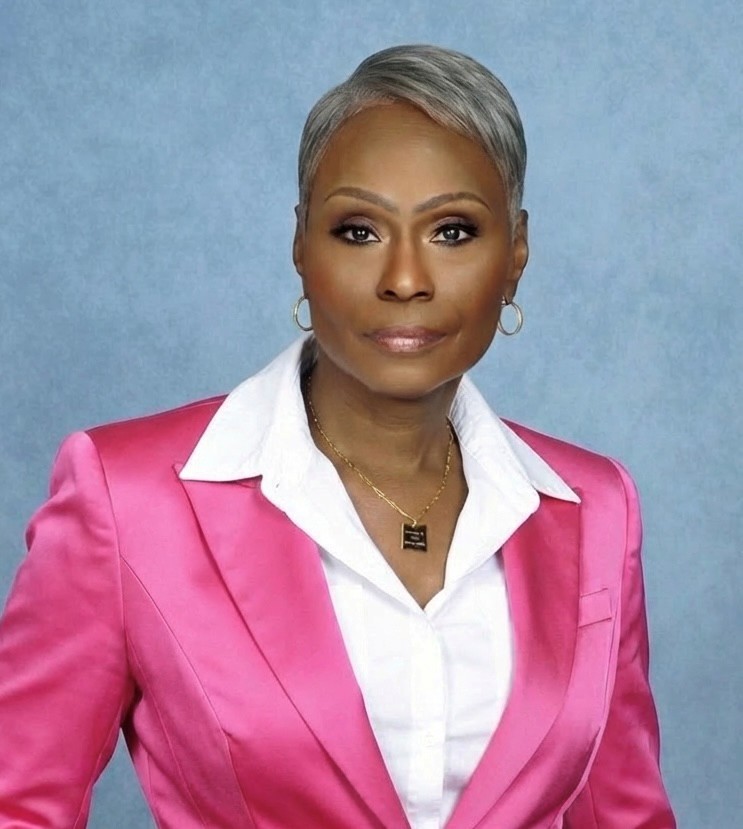
Transformation & Operations Executive | Customer Experience, Risk & Governance Strategy | Speaker & Published Author
Dr. Connie Y. Bell is a transformational executive leader, doctoral mentor, and author who operates at the intersection of leadership, risk governance, and human resilience. As Senior Vice President of Security Risk, Global Incident Response, and Fraud Detection & Analytics at Teleperformance, she leads global strategies that protect organizations from evolving threats while advancing ethical, accountable leadership practices in complex environments.
In addition to her corporate leadership, Dr. Bell serves as a doctoral chair and professor, where she mentors emerging scholars and executives through the rigor of dissertation research and the discipline of strategic thinking. Through her work, she has become known for bridging academic excellence with real-world application, developing leaders who are not only knowledgeable, but transformative in their impact.
She is also the founder of Beyond the Bell Collective™, schedule to launch later this year, a platform dedicated to doctoral coaching, leadership development, and amplifying voices through scholarship, storytelling, and media. Her work empowers high-achieving professionals, particularly women and underrepresented leaders to move from stagnation to strategic clarity and completion.
As an author of the forthcoming memoir Shades of Strength, Dr. Bell brings a deeply personal dimension to her work. A breast cancer survivor and advocate, she draws from her lived experiences to challenge traditional definitions of strength, emphasizing that true leadership requires not only endurance, but intentional wellbein… Read More