



How to Own Your Voice & Navigate Power Dynamics in Male-Dominated Spaces | Tanya Spencer

Own Your Voice and stop letting your communication style hold your career back. In this episode, Tanya Spencer — founder of FCK Being Stuck Coaching and Master of "Bad-Asshery" — breaks down the Likability vs. Competence matrix, why credentials alone aren't enough, and how to reclaim 200 hours of non-promotable work. This is the conversation that shifts how you show up in every room.






Own Your Voice
What if the way you communicate your leadership is the very thing holding your career back?
In this kickoff to The Execution Series: Power, Pivot & Purpose, host Deneen L. Garrett is chatting with Tanya Spencer — speaker, founder of FCK Being Stuck Coaching, and the self-proclaimed Master of "Bad-Asshery." From conflict zones to corporate boardrooms, Tanya has spent decades turning complex power dynamics into practical, actionable visibility.
In this episode, we explore:
- Why credentials alone aren't enough — and how to make your value felt by decision-makers
- The Likability vs. Competence matrix and how to find your power center
- How to stop doing 200 hours of non-promotable work per year
Full episode notes: https://www.womenofcoloranintimateconversation.com/
Connect with Tanya Spencer:
Official Website: fckbeingstuck.com
LinkedIn: Tanya Spencer Profile
YouTube: @fckbeingstuckcoaching
Join the Movement: Are you a Black woman 50+ ready for your next chapter? Join the Dream Lifestyle™️ Collective — the newsletter built for strategy, sisterhood, and your next bold move. Visit: dream-lifestyle-collective.beehiiv.com
Women of Color: An Intimate Conversation is a Top 20 Women's Empowerment Podcast · YouTube U.S. Top 1% · Global Top 8.5% · Top 5% of podcasts worldwide. New episodes every Friday. (Live episodes every Thursday on YT.)
Subscribe · Leave a Review · Share with a woman who needs this today.
Host: Deneen L. Garrett, Cultural Alchemist & Media Architect, Creator & Host, Women of Color: An Intimate Conversation Official Website → deneenlgarrett.com Live every Thursday at 1PM ET on YouTube → @DeneenLGarrett
WOC Live | June 2026 — The Execution Series: Power, Pivot & Purpose
📅 6/4 — Tanya Spencer | Power & "Bad-Asshery"
📅 6/11 — Nicole Welch | The Control Room Catalyst | Mastering the Pivot
📅 6/18 — Dr. Connie Y. Bell | The Purpose Catalyst | Purpose-Driven Leadership & Strategic Authority
📅 6/25 — Ebony Goodrich | Leadership is More Than Being "Qualified" | The Spiritual Pivot
Deneen L. Garrett (0:32): What if the way you communicate your leadership is the very thing holding your career back? Today, we are breaking the cycle of being overlooked and underpaid. We are talking about making your value visible and owning your voice without shrinking. If you are ready to build your legacy in real time, you are in the right place. Let's go.
Deneen L. Garrett (1:08): Welcome to Women of Color LIVE, the live version of Women of Color in Intimate Conversation, a top 20 women's empowerment podcast. We center and empower women of color. We also have a free newsletter built specifically for black women 50, the Dream Lifestyle Collectly weekly rhythm. Go to deneenelguer.com to get started. I wanna shout out product our production team at the Leon Thomas Group and specifically Orin, who's on the ones and twos.
Deneen L. Garrett (1:41): And today's guest, I'm so excited to speak with her for a number of reasons. One, we connected on LinkedIn several years ago, and we stay connected ever since. Two, she is in Denmark. So here we go again with our global, guest, which I love. I love to talk to people all around the globe.
Deneen L. Garrett (2:01): And I wanna get into a focus of her, so I'm not gonna say it yet. Let me go ahead and introduce her, give her her background, give you her background. She's a speaker, founder of Fluck, being stuck coaching, and the master of bad ashery who turns complex power dynamics into practical visibility. This month, we are launching the execution series Power, Pivot, and Purpose, and there's no better way to kick it off than with Tanya Spencer. Again, we're about to get into this bad Ashery.
Deneen L. Garrett(2:37): Tanya, welcome to Women of Color LIVE.
Tanya Spencer (2:41): Thank you. I am so glad to be here.
Tanya Spencer (2:46): I am so happy to have you because I have been wondering for a while what this Bad Ashery is all about. I have a question though. Why spell it that way? Why the H?
Tanya Spencer (2:59): Because I'm slightly dyslexic. I kept it. If you had asked me why I kept it, that was because afterwards I realized that it by accident spelled bad as she. Oh. So and then there was an r y, but I'm just ignoring that part, badass chic.
Tanya Spencer (3:24): I was like, oh, let me keep that. And then also people will comment on, oh, you're the one that spells it that way. And so it became part of my branding and a part of my uniqueness and I lean into my uniqueness. So that's why I'm keeping it. But why I have it is because I made a mistake.
Unknown Speaker (3:46): But I own my mistakes. You know what? I own my mistakes and I own my glory. So I'm okay.
Tanya Spencer (3:53): No, and I love that. And I'm glad I asked, right? Because you said being dyslexic, there's probably someone out there who's watching, listening, who may be in the same situation who may have, when they made a mistake, they may have felt and really internalized that, but in your case, you owned it. So you're giving them permission to do the same, to own what others may perceive as a mistake.
Unknown Speaker (4:16): That's right.
Tanya Spencer (4:17): Yeah, so I love that, I love that. Okay, for those that are watching, tap in, engage with us. We wanna see your comments, we wanna Questions, whatever you have for us, drop WOC, drop a heart if you're family or friend. Again, get in that comment section and let us know you're out there. All right, so Tanya, you've worked in high stakes environments from conflict zones to corporate boardrooms.
Tanya Spencer (4:44): What was the moment you realized that being capable wasn't enough to be visible?
Unknown Speaker (4:53): Oh, when I saw that question, I said, oh, this is what I have to admit. This is turning into my confession. The thing about that is I know that there's lots of women, too many women, who have experience after experience where they're it's like being rubbed, you know, the the ocean rubbing you down and wearing you down. I had the opposite. I've had just a few experiences.
Unknown Speaker (5:25): But what did it for me was that when I looked around, I was like, why am I the only one here? Why am I the only woman? Why am I the only woman of color? Where where are the rest of where's the rest of us? And so my evolution is not coming from being so much worn down, but realizing I was alone.
Unknown Speaker (5:50): And I did not want to if I could, and I am, creating the space for other women to be in those places, to to to have their voices, to show their power. So, yeah, that's it's coming from a different angle than a lot. Of course, there's been times when someone oh, why are you this or why but it's that is so few times. I have been selected because of what I can do more than I've been deselected. So that's more my angle from it.
Tanya Spencer (6:25): Yeah. And you know what? And so again, you're in Denmark, so you're in Europe. However, you are from The US. So do you have different experiences?
Tanya Spencer (6:37): Like, you was your experience in The US different than the experience that you have now or have had now in Denmark?
Unknown Speaker (6:45): Well, most of my work experience because my background is actually in global travel security, so and crisis management. So when I say that you need to think more like Afghanistan, then you need to think of like, I'm on the sharper end of security situations, right? So kidnapping, rape, extreme violence.
Unknown Speaker (7:10): Okay.
Unknown Speaker (7:11): War, coups. Yeah. All the good things, that's what I'm really all the bad things, that's what I'm good at, right? So the places that I've worked in, it's not really US or Europe. It's more like, okay.
Unknown Speaker (7:26): In Pakistan and Afghanistan and Kenya and Uganda and Sudan. You know? So if it's burning, that's usually when I got called.
Tanya Spencer (7:37): Got it, got it. And so they knew you for your expertise and tapped into that. So that's cool. Now this is a whole different experience, right? Haven't had anyone in crisis management and definitely not anyone who is familiar with war zones.
Tanya Spencer (7:57): So that's totally different. So this podcast, as I mentioned before, is to empower women of color, Black women 50. And so what makes you unique in this space? What can these women take away from your experience that will help them to be resilient in any space?
Unknown Speaker (8:22): Well, the part that I think women can relate to and that I hope to inspire and show the way is that there have been multiple times, multiple times where when everyone's looking around going, okay, who's gonna be the leader? And they okay, Tanya. And so I was chosen to lead international security networks. So I have been the strategic lead for women in security for 24 European countries, where I say, okay, how do we get more women into security? How do we get more representation?
Unknown Speaker (9:10): How do we how do we make this network inviting and understanding and serving our women members so that we can attract more of them? I have done that also for being the chair of a security network that we were a 140 different organizations. And then they asked me to be the the the chairwoman of the security and safety. So that ability to be picked well, first of it's just great. It's just fun.
Unknown Speaker (9:53): First, I was like, oh, when I was younger, I was like, oh, okay. It it just just happened. That's nice. You know? And then later on, when the realization was like, wait.
Unknown Speaker (10:04): Why aren't other why aren't there more women here? Why aren't there more women of color? You know, we are in these countries, and yet where are they? Right? And so what about me?
Unknown Speaker (10:16): What about what are my attributes? What are my competencies? What are my personal traits that people trust and want to be the leader of the group or whatever? And so that is something that that's basically influence, right? Where I wasn't seeking influence, people were giving it to me.
Unknown Speaker (10:45): And then I worked it backwards and go, all right, what was it about me? What was it what can if I boil down my experiences, what can I distill and give on and pass on? And that's whether you're not you're in corporate or an NGO or in your, you know, your religious community, your church, whatever. Whatever group that you want to be the leader of, how do you how is your presence? How is your positioning?
Unknown Speaker (11:21): How is it what is it about you that people go, we want her.
Unknown Speaker (11:25): Yeah.
Unknown Speaker (11:25): We want her to lead us. Right? Because that is the ultimate power move. When you're not actually doing the moving or people are moving for you and going like, yeah, we'll make this happen for you. And you're like, oh, okay, thank you.
Unknown Speaker (11:40): I'm glad you can see what I can do.
Tanya Spencer (11:43): Absolutely. And so three things that stood out from what you said influenced why me, not as in questioning why me, but what are the things about you, and then the presence. So presence is one where it's kind of elusive, right? Like, what does that mean? Like, especially when they say executive presence, like what does that mean?
Tanya Spencer (12:05): And then the influence, like how do you get to that space of having influence? So can you tell us a little bit more about all three or any of the three that I just outlined?
Unknown Speaker (12:18): Okay. Okay. For example, preparing for this interview, I noticed something that I do that a lot of women don't do. It is very normal to think about what am I gonna say? What are my slides?
Unknown Speaker (12:42): How am I you know, what can I prepare? So they're preparing the thing. And what I do is I prepare my presence. I prepare my self. So when I'm getting ready, I'm grounding myself and making sure and I'm telling myself, I got this.
Unknown Speaker (13:02): Right? This is I could have, like I was telling someone today that I was like, yeah. I've had, like, civil war breakout while I've been facilitating, and everyone in the the my participants were the head of NGOs and, like, the European Union Funding Organization. And so like I had regional and country directors and like civil war broke out in Sri Lanka. Mean like full on like it wasn't mean, crisis management workshop.
Unknown Speaker (13:36): So everyone's looking at me like, okay. Like, let's not do the the exercise. We got real people. We got hundreds and thousands of people on the ground. We need to make decisions.
Unknown Speaker (13:47): There's, like, aerial bombing. There's, you know, there was yeah. It was it was war. And and so, you know, being in that kind of situation going like, okay. I'm being grounded.
Unknown Speaker (14:03): Right? People talk about, like, being grounded. It's like, no. Being grounded. Right?
Unknown Speaker (14:09): I can talk fast, and I can but I can also go into this, alright. I'm here. Right? When you lower your voice and you slow down your voice, that is a sign that I'm in control. Right?
Unknown Speaker (14:25): When I'm getting excited, then you hear you hear and you experience me as being excited. But if I'm talking really fast and very high up, you're experiencing me as being unsure. So there is a difference, and I'm conscious of like, I speak Danish, hold on if I can do it right now. So if I speak Danish, my voice goes up because I'm not so sure. Right?
Unknown Speaker (14:52): And so these little things where what you what I'm projecting in that presence is I'm projecting, I got this. I'm okay. Am the good hands. Can trust me. Go ahead and give it to me.
Unknown Speaker (15:13): I've I've got this. I got you, and I've I've got us, and I'm going to lead us in this. And I'm doing that through my communication. Right? My body language, my pacing, my tone, right?
Unknown Speaker (15:35): And being conscious of that.
Tanya Spencer (15:40): Yeah, so my relationship counselor, we talk a lot about grounding. So grounding is very critical in centering yourself, in taking control of your space, being aware of yourself, and then when you're in situations, how you respond. So I want to just really emphasize that for those who are watching or listening, start looking into grounding yourself, Taking that time to slow down, to pause, to breathe, to maybe even think about some things like breathing in, I'll just say goodness, and then letting go, I'll just simplify it and say badness. So there's deeper and different than that. So just look into that and consider that whole grounding.
Tanya Spencer (16:32): That's one way that Tanya is saying she shows up. That's how she prepares her presence of how she wants to be seen, how she wants to be experienced. So thank you for that, Tanya. So for the woman who is currently stuck in a male dominated environment, which sounds like you have loads of experience, how do we begin unlearning the habit of overexplaining or shrinking our presence, which neither sound to be an issue of yours, but you still can give some insight?
Unknown Speaker (17:05): But I have my moments. Right? I also should say, when you challenge yourself, that's the thing with impostor syndrome. I actually say go and embrace you know, like, go hug your impostor syndrome. Like, go I'm like, body hug it.
Unknown Speaker (17:20): Right? Like, because when all that impostor syndrome is is being facing being eyeball to eyeball to a challenge and whether or not you blink foot first, and that shrinking. So if in my worldview of like, go hug your impostor syndrome, I got you. Challenge come and challenge me. Right?
Unknown Speaker (17:49): So there are moments when I intentionally put myself into higher and higher situations, right, and challenge myself. So I experience it. I just have the tools to deal with it. And so there's a like, we all we all are facing our own challenges, but do you have the toolkit to be able to feel like this is this is a challenge. I've handled challenges before.
Unknown Speaker (18:21): I've got this. You know? Yeah. It's trusting my toolbox. It's trusting me trusting me so much.
Unknown Speaker (18:34): I trust me so much. I will make my mistakes. I will do this. I will fall. I will do.
Unknown Speaker (18:40): But I'll get up. It's not a problem. It's not a problem. I got this. I'm amazing.
Unknown Speaker (18:49): Right, I am.
Tanya Spencer (18:50): I did that. I remember who TF I am. No, I love And all of you did make, and I like that you pointed that out that yeah, you do those things. It's just that you have resources and you have tools, you have the grounding, you have those things to call in to get yourself centered, to be able to move forward in a situation. So that is great to point out.
Tanya Spencer (19:16): Because again, just listening to you, listening to the space that you're in, how you're moving, how people are seeing you, they're seeing a person who knows how to navigate the spaces, who knows how to navigate themselves personally, their emotions, their experiences, all the things. And again, that's what you shared with us as far as grounding as one way to be able to do that. So that's a great tool. And again, I'm so glad you brought it up.
Unknown Speaker (19:44): Can I go back to the the grounding thing? And this is my number one thing. I think it's coming up I want to make sure that I I brought it up in the in this time together because for me, the number one thing is trusting in yourself. Mhmm. When you can go into like, oh, I shouldn't have so many ums, or I should do this, or my hand should whatever.
Unknown Speaker (20:12): Skip all that. Trust yourself. Whatever it is, trust yourself. Trust that I will land on my feet. Right?
Unknown Speaker (20:23): And when you have that as for me, that's more the grounding. So the other things are techniques to support me in establishing and getting deeper into my trust, but the trust is the ground. Right? The the it's the it's where everything for me is coming from. And then from there, I'm like, okay.
Unknown Speaker (20:49): So, you know, I can do the breathing. I can do the the sure. I'll write down some notes or whatever it is. Right? Those are techniques, but the ground is the trust or the trust is the ground.
Tanya Spencer (21:06): Got it. Trust in yourself. Absolutely. Because it does start with us. Right?
Tanya Spencer (21:11): Everything that we do starts with us and us taking ownership of it, us tapping into it, us realizing the power that we actually hold, and that it's okay if we do something that whether we may perceive it as, others may perceive it as a misstep, etcetera, it's fine. It's part of living, it's part of life, it's what you do afterwards, it's the moves that you make next. So Tanya, I wanna get into this because I'm so excited about it, but you talk about badassery as a leadership tool. Many women fear that being badass means being difficult. How do we own our power without losing our authentic voice?
Tanya Spencer (21:51): And before you answer and before we go to break, if today's conversation is landing for you, the Dream Lifestyle Collective Weekly Rhythm is where we go deeper. It's a free newsletter for black women 50 who are ready to dream, decide, design, and drive their next chapter. Go to deneenogarratt.com to get started, and we'll be back after break. Hello, It's me, Deneen O'Garratt, a cultural alchemist who shifts shapes culture through storytelling, through writing, through speaking, and through the Dream Lifestyle Collective, which is a community for black women 50 and up. You also know that I have the podcast, women of color and intimate conversation, which
Unknown Speaker (22:37): is
Unknown Speaker (22:37): a weekly live on Thursdays at 1PM. Well, as of Friday, it's official. My journey to become entrepreneur of impact. Good news is I did make it through top five. Again, the bad news is the journey is over.
Unknown Speaker (22:56): Yes, a bit disappointed that I will not make the cover of entrepreneur magazine. I will not have the one on one coaching with Damon John. And of course, the 25,000 prize money, which was going to be invested into the podcast and the collective. But here's the thing. Those things can still come.
Unknown Speaker (23:18): They can still happen. It's just that my contest journey is over. So there's that. So if you're wondering how to back up, first of all, thank you. Thank you.
Unknown Speaker (23:28): Thank you. Thank you. Because of you, because of your daily votes, because of your tax deductible donations to gym youth, I did make it through to top five. So, you know, let me go ahead and celebrate that. Let's clap it up for that.
Tanya Spencer (23:44): Now, wondering how you can still support me? Multiple ways. Watch and subscribe to my YouTube channel. Subscribe and listen to the podcast. If you are a black woman 50 and up, join the collective.
Tanya Spencer (23:57): And if you're a business looking to sponsor, hit me up. So just getting started. Just one part of a journey has ended. It's only, open space for this next part. So again, thank you.
Tanya Spencer (24:09): Thank you. Thank you. Alright. Welcome back to women of color color live. Today, we're talking about the execution of power and making your value visible with Tanya Spencer.
Tanya Spencer (24:21): And before the break, we're gonna get into, the bad Ashrie. So this is the part that I'm excited to get into. Tanya, I had asked, how do we own our power without losing our authentic voice?
Unknown Speaker (24:36): That's a good one. There is if you can imagine a matrix that goes like this where you have likability and you have competence. Right? And very often, I don't wanna get into generalizations, but okay. Let's just use a generalization to tell to give the example where women have been conditioned.
Unknown Speaker (25:14): And it's not just American women. It's just not in Kenya. It's not in India. A lot of women from around the world, we've been conditioned to focus on our likability. Like me.
Unknown Speaker (25:33): I have to be nice to you. I have to give you my place. I have to show you. I have to do for you so that I don't have space or energy or time to do for myself. And what ends up happening is that we're focused too much on the likability.
Unknown Speaker (25:56): And what we could do is also recognize that competence is another way of another area that is really important for people trusting you. So before I talked about your own trust, but if we talk about people trust putting trust into you, then you when you are finding more like the middle point between likability and competence, then people are more willing to put their trust into you. And that when that happens, that is influence. That is power. Right?
Unknown Speaker (26:38): So when you're aware of, am I leaning too much into my likability? Like, you know, I will do the clean I I will I will organize the birthday things or whatever it is. Right? You know, instead of going like, wait a minute. Are you doing that because are you really doing that because it's going to support you and your goals and your purpose and your power, or are you doing that because it's nice?
Unknown Speaker (27:17): It's likable. Right? It's oh. Right? And now other women and this is this skill works for both men and women.
Unknown Speaker (27:26): But for us women, we need to just be aware of that. We do tend to go over into the likability. But some people also overcompensate on the the competence one or, okay, you know, I've got five PhDs. I've you know, like, I'm I only talk in nerd talk. I only you know?
Unknown Speaker (27:52): And I I I'm I'm a little bit guilty of that. Like, I got two master's degrees. Like, what am I doing with two master's degrees? You know? I mean, I got them because I wanted them.
Unknown Speaker (28:02): But like, you know what I mean? Like, I just got a lot of other degree. You know what I mean? Just like, oh, let me show the world. Know?
Unknown Speaker (28:09): Because I came from a household where my dad always told me, you have to be twice as good. You have to be twice as that. You have no. You have to be four times as everybody else because you're a woman and you're black. No.
Unknown Speaker (28:22): You won't be more than double of everybody else. Right? So so I, like, overcome. Okay. And I'm I'm not going I'm not I wanna be clear that I'm not putting down education.
Unknown Speaker (28:38): I'm I'm very much pro education, how it expands our thinking and expands us as humans. What I'm talking about is getting so much into your competence and trying to overcompensate that you're actually repelling people. Because people are most trusting and therefore giving influence to you or, you know, handing over their handing over their trust to you and some of the responsibilities over to you so that you can lead them. Right? They're saying to you, lead me, lead us because you have you're likable Mhmm.
Unknown Speaker (29:31): And you know the heck what you're doing.
Unknown Speaker (29:34): The combination. The combination.
Unknown Speaker (29:37): That that find that center point. Find that center point as much as you can and just being aware of, am I being too likable or too unlikable? Right? Competent and and you don't know what you're talking about. So just, you know, just keep it quiet, you know, for this time.
Unknown Speaker (29:59): Right? When are you in that middle ground? Cause that is your strongest point.
Tanya Spencer (30:09): Yeah, and definitely can be a balance, especially how you're brought up. Like you mentioned the things that you heard in your household, which I think that's common in black households, having to be double, triple, triple, better than other people do more, etcetera. And it's evidenced right in the number of women who do have multiple degrees, who have PhDs, who have risen to the heights and all those things, and then still being at the same level as somebody else who has none of those things, right? And the difference is race, the difference is their gender, right? So we do know that, we do understand that.
Tanya Spencer (30:50): And so the competence piece, a lot of us have that, the likability, make sure that we have that as well. But again, it's that balance. We don't wanna lean too much in either, go ahead and just figure out that balance. So this bad Ashery, what is it? Talk to us about it.
Unknown Speaker (31:09): Oh. Oh. I don't know, because I was just like, you know, I'm like, I am itch, so is there more? Like in my life? It's just me.
Unknown Speaker (31:29): Mean, but like everybody is their own, right? Everybody is their own, having their own level of badassery and you define it. Right? So my level of badassery may not be for you. And for the next woman, you know, she defines it in a different way.
Unknown Speaker (31:48): The thing is is that it's the daring to actually define it in your own way and being comfortable with it, and it's going back to that trusting again. I'm trusting. I am not looking at the social media. I'm not looking at the I don't y'all look pretty. Y'all you know, you're doing good over there.
Unknown Speaker (32:10): But when it comes to my badassery, I define it. I decide what that what that means in my household, in my work, in my community. I
Tanya Spencer (32:24): love that. I love that. So in the work that you're doing with women, you're helping women to own their bad ashorees. So what are some of the ways that we can, right? So understand, we have to define it.
Tanya Spencer (32:38): I love that you said daring to define what it is, right? Because that's huge, Daring to define regardless of what we're talking about. And it also aligns with a framework for living your dream lifestyle. I mentioned define as one of the keys. Dream it, decide what your dream is, define that dream and then drive to make it happen.
Tanya Spencer (33:00): And in this case, similarly, dare first. So we can even add that, dare to dream first, right? But dare to define your bad aftery. So what's step one other than being daring?
Unknown Speaker (33:16): Steps, oh. I've never thought of it in terms of steps. Oh, you're gonna oh, now now I have to think. Like, you know, quick thinking. Always, always going back to that trust.
Unknown Speaker (33:37): Right? That self trust. Because if you don't have that, what are you projecting? Then you are projecting the fears that you don't that you're trying to hide. So many times we're we're we're we're going through life where we're trying to put down the fear, you know, and actually that's the thing that is showing up the loudest to other people.
Unknown Speaker (34:03): Right? How much are we fighting that? So when you have that trust in yourself, when you and go, okay. I can I have my flaws? I have my this.
Unknown Speaker (34:16): I have my that, but I'm okay. And I'm okay. Sorry. Don't say but. I and I'm okay.
Unknown Speaker (34:22): Right? So what would be the next step? The next step is building up your confidence. And that is okay. I was gonna I'm getting repetitive here when I'm talking about trust again because, like, people are talking about, oh, confidence.
Unknown Speaker (34:44): You you need to test it. And when you when you have an experience, you can say, oh, look at that experience. I now can trust or I now know that that confidence comes from this place, right, of, like, doing. Right? Mhmm.
Unknown Speaker (35:06): For me, it's the belief. I believe are we noticing that I'm just putting the word believe instead of trust? But, like, okay. We all know that I'm saying trust. Right?
Unknown Speaker (35:19): I'm trying to find new words for saying trust. It is it is just going back down to that because what you project out, what you signal out is coming from within. Right? And so that confidence that is coming from the belief that I I will find the way. Right?
Unknown Speaker (35:44): When I want to influence someone, when I want to show them that my project or my proposal or whatever it is, the way that I want to do things, then I'm getting them to trust me. Mhmm. Where is that coming from? That's going back to my own trust. Right?
Unknown Speaker (36:12): Then if you look at power, power is coming from systemic larger sets of trust where the system, the organization, the team, the school, you know, what whatever it is that you're focused on, that a larger group of people, a system is now trusting you. And let me just see if this analogy works. If you if you imagine a pyramid, upside down pyramid, if this point here is is fragile, then the whole thing would tip. Mhmm. Right?
Unknown Speaker (37:04): So and that's that self trust. Well, I got to be careful with that one. No, I got to be careful with that because, you know, anyway, what I want to say is that the base So I guess I should put the pyramid the other way around, right? The piece of the pyramid. But I was also thinking that sometimes we can feel like, oh, we're being swayed.
Unknown Speaker (37:27): We're being challenged. We're being all these things. But what however way you wanna see your pyramid, let's just let me take back the analogy. Whatever way that base, that foundation has to be strong so that if you are now going for the president of the union of whatever, you know, group you're in, right, Or if you want to be if you're going after being in the c suite. Right?
Unknown Speaker (38:02): Whatever it is, that base has to be solid enough to withstand whatever winds or rockiness or changes that are coming your way, because they will come your way.
Tanya Spencer (38:15): Yeah. So really, when we're talking about master of bad ashery, that's a reflection of how you show up. That's how you own, how you show up. Your presence that you talked about, that's how you walk through life that way. And so what we did here in real time is started at that and then backed into it as far as like, how do we get there?
Tanya Spencer (38:42): So overcoming that fear, which we talk about fear on here all the time. Fear was part of what kept me from launching my podcast. I was hesitant until I wasn't. And I say, I Nike ed it and just did it. And so now we're six years in the game.
Tanya Spencer (38:59): We're in this podcast game, six plus years, because I felt the fear and did it anyway. And then trust, there was a president at one of the he was in one of the business units at the company that I worked for. And he said, and I hear this, that you have to repeat something like seven times, maybe even seven different ways before it sticks with some people. So by you repeating trust, that's fine. I didn't count how many times you said it, but you might have a you know, you can go at least one or two more times before we end this.
Tanya Spencer (39:32): And then power, right? You know, getting to that place of having our power and owning our power. And so it's how you choose to show up. So the woman who's listening or watching, she may not choose to show up as a badass, she may choose to show up as a diva, as something else, as whatever is her choice. It's kind of going back to, like you said, daring to define it.
Tanya Spencer (39:59): You define what that is for you. So I guess what really I should ask about is fuck being stuck coaching.
Unknown Speaker (40:07): F C F C
Unknown Speaker (40:10): K. Yes.
Unknown Speaker (40:18): What do you wanna ask about that one?
Tanya Spencer (40:21): Yeah, so talk to us a little bit about that. So what type of work are you doing in this coaching practice?
Unknown Speaker (40:29): Okay. Can I tell you how I came up with the name?
Unknown Speaker (40:32): Yes.
Unknown Speaker (40:34): Because it's a bit funny where I had burnt out. I had over ten years, well over ten years of having burnout and stress and depression and back and forth and not really recovering. So I was never I wasn't getting back to where I was. I was just get you know, and then I would go further down and, you know and and then I've I've got to end this cycle. What can I do?
Unknown Speaker (41:04): I love teaching. I love coaching. I love working with women and women leaders. So let me let me start up a coaching company. And so I have my first company is twenty three years old.
Unknown Speaker (41:22): So I started that. So my first company was Training Solutions. And, you know, I was in I was in women's magazines. Right? Like, I was like, you know, like, the national news came to my workshop.
Unknown Speaker (41:34): Like, I had reached a certain level where the national news were coming to my workshop. And like, you know, I was gonna and but I couldn't anymore. And so when I had that period, you know, so I I had made it. Like, I was I was actually consult you know, being a consultant for the UN, right, and for global corporations and enterprises. And so I made it.
Unknown Speaker (42:00): Right? And, like, I was on TV news as an expert on, you know, security situations that Denmark faced. And and when I crashed and it took me so long to get back. And then I went in and was, what what can I do? What can I what can I do because I can't keep going back to to doing that kind of work?
Unknown Speaker (42:27): And so I thought of coaching. And then when you start a coaching company, I tried all these courses and they're like, oh, you need a niche. You need a niche down. You got a niche. Like, stop telling me to niche.
Unknown Speaker (42:41): You know? And they were just all the time telling me to niche. Know? I'm like, ah. You know?
Unknown Speaker (42:47): And then and then I was trying to think of, oh, it should be a cool name and it should be like only three words and it should be and I was like, these shoulds. Right? And I was like, I just wanna coach. You know? Why don't I have to do all of this?
Unknown Speaker (43:00): And then at one point, I just yelled out in my kitchen, like, I'm gonna be my own self. So I was like, beep, being stuck. Right? To keep it clean for the, you know, family friendly podcast here. But anyway, so but I used another word.
Unknown Speaker (43:19): And I was, that's it. That's it. That's it. I was just yell I thought my but my neighbors must think she lost it because I was just like, please stop. Stop.
Unknown Speaker (43:32): Stop. You know? And I found the name, and I was just so happy. And when I told when I wrote it down to chat GBT, it was like, you can't do that. People won't accept you.
Unknown Speaker (43:44): And I was like, if I have a name like being stuck, I really don't care. Like, I am not I am not attracting the people who are you know, if they want something nice and and and, like, green blue coaching, go go go get your green blue coaching. Right? Like, go go get that. But I am for that person who is just like, no.
Unknown Speaker (44:10): No more. I'm done with this. I want something different. Right? And they have they have the decision, and they have the power.
Unknown Speaker (44:21): They now need direction and support with recognizing, tapping into being their bad assery.
Tanya Spencer (44:36): Right. And they're coming in the door ready to work. Right? Whereas in other thing, you know, it could be like you're coaching them to get to the point of actually putting in the work. Right?
Tanya Spencer (44:46): Whereas with yours, it's just telling you upfront. We about to get into it. So either you're with it or you're not. And if you're not, keep it moving. But if you're ready, pull up those sleeves, get to work, this is for you.
Tanya Spencer (44:58): So that's what that represents to me. And so that falls into, or that really leads up to what is the one communication shift a leader can make today to ensure she is no longer overlooked for the next big opportunity?
Unknown Speaker (45:16): Oh, just the one? Okay. Oh.
Tanya Spencer (45:24): Bang for your buck. What's the biggest bang for your buck? Know that there's a big bang, one that comes to mind.
Unknown Speaker (45:33): One big bang is I have a quiz for you.
Unknown Speaker (45:38): I
Unknown Speaker (45:39): will quiz you. All right, my turn to switch to the microphone. All right, Tell me, who uses the pronoun I more? Men or women?
Tanya Spencer (45:54): Oh, I'm I'm sure it's it's probably the answer is probably men.
Unknown Speaker (46:01): Okay. Who uses the word pronoun I more? Leaders or staff members?
Tanya Spencer (46:10): Oh, that's kinda tricky, but I'm gonna go with staff because as a leader, it's more about we. It should be.
Unknown Speaker (46:20): Alright. Older people or younger people?
Unknown Speaker (46:32): Medium people. In between people. Older.
Unknown Speaker (46:39): Yes. The use of the word I shows so if you're you let's assume you are a leader. Right? You have a team. Doesn't matter the size of the team.
Unknown Speaker (46:54): You have you have your people. Right? You use the word I to indicate that you are leading the direction, the outcomes, the strategy, the progress. Right? When you will use the word we and women use the word we more as do followers, as do younger people, as do students who are not who are not doing as well, they use the word we.
Unknown Speaker (47:30): So you were about 50% correct, right, in the we. Right? And the men one you got. Right? Because the when we're using the word we, you're distributing the responsibility and the accolades, the credit to the group.
Unknown Speaker (47:51): What you can end up doing, and this is, like, kind of female speak where we talk about, oh, we did. The team did. We led us through. We did it. When you're using that kind of language too much, you are then positioning yourself to not be needed.
Unknown Speaker (48:19): Mhmm. And when there are so many cuts that are happening in the job market because of AI, because of, you know, the times that we're living through right now, you do not want to create a reason to have you to be the one to be fired. Right. Right? So if you're talking you say we as in say, like, the process Mhmm.
Unknown Speaker (48:46): Mhmm. We did, the team did because you wanna give recognition to other people's work. Right? You don't want to backstab your team. That's not gonna end up good either.
Unknown Speaker (48:57): Right? That's gonna give another kind of problem. Right? We did the process. I led the direction.
Unknown Speaker (49:07): Mhmm. Mhmm. Right? I the team implemented my strategy. So being conscious of, are you using the word we too much, especially as a woman leader?
Unknown Speaker (49:27): Because we're again, this conditioning, and this is Mhmm. Sri Lanka, Nepal, you know, America, Canada, let's put in some other countries. Right? So many women have been conditioned to to have this group think. And then when they are looking at the next level and they're, okay.
Unknown Speaker (49:54): Now I'm gonna start positioning myself for the next level. Right? Meanwhile, they've erased their contribution to getting there. Right? So that's super important.
Unknown Speaker (50:12): It's super important to find that balance, which we did process, I led the direction and the strategy. Yeah.
Tanya Spencer (50:31): No. I absolutely love that. Because so for me personally, I would have answered it slightly different only because of experience, getting to this point, kind of like what you're saying, when we're talking about a process. What I will also say is, I think that with women, we do a lot of questioning, Well, should I say I at this point, or should I say we? So yes to everything that you said, how we've been conditioned.
Tanya Spencer (51:02): There are some women who are now leaning into, Well, I did this thing because I did do this thing. I remember someone having, they kind of commented on my LinkedIn, this was years ago, and they said, you know your LinkedIn, you talk about yourself or whatever. I'm like, well, it's my LinkedIn talking about me. So what are you talking about? Of course, this individual was a man.
Tanya Spencer (51:29): And so that also comes into play. So we're talking about this communication shift and do know that when we do make communication shifts, when I make a shift, you make a shift, how it can be perceived by other people and you just have to own it, you just have to trust yourself and you just have to go ahead and move forward with it. But I love this simplification, I led and we, when we're talking about process, love, love, love. Now, what about the old versus young?
Unknown Speaker (52:00): That's so older are also more than I, better students are also in the I category. So yeah. So these are all groups. I I need to check the statistics. I don't have the my statistics with me right here.
Unknown Speaker (52:22): But I think there's also around different ethnic groups, but I don't have that as a fact. So I don't wanna say it out And
Tanya Spencer (52:33): another thing that I wanna throw in here as well, because I was thinking about this when you were talking, because that's why I said additionally, okay, the I, I'm sure it's men are saying I because men will go for it. They don't care if they have the experience, the skills, whatever they want it, they're gonna go for it. And I had listened to a podcast several years ago and it was an individual speaking to that, was saying how in the workplace, generalizing, she had facts to back it up. But what she said is that women, the job criteria calls for 10 things. So you're supposed to do these 10 things in this job.
Tanya Spencer (53:17): We women, we're gonna do those 10 things. The man is gonna go to the boss and say, which three do you care about? And those are the only three that that individual is gonna focus on. And yeah, that individual is likely to get promoted so on and so forth. So that's another thing that I think as a shift is to learn from your leadership what three things they care about.
Tanya Spencer (53:42): And then, if you're looking to move on to the next level, you're wanting to be promoted, you need to know from the decision makers, what do they care about? Because they don't care about those other seven things. It's just part of it. It was in the job rec, right? But they really do care about those three things.
Tanya Spencer (53:59): And then also going back to when we were talking about being liked and you mentioned organizing parties and whatever, again, I remember being in situations where the boss, the leader was like, I don't care about that stuff. All those things are a fluff. So for the ones who were doing it and they were organizing all the parties, they're like, that's cute, that's good, but you're not the one that I'm looking at for a leadership role. So those are things to think about. But again, regardless of what it is that you're doing, when you're wanting to make moves, you wanna go to the next level, you need to know how you get there.
Tanya Spencer (54:33): The person who can get you there, what are they looking for from you and then lean into that.
Unknown Speaker (54:39): I have two things to bring up, related to that. That a statistic that I found shocking is that women put in about, on average, two hundred hours two hundred let me say that again two hundred hours of nonpromotable work. That's two hundred hours where you could have gone to your kids, you know, to a football game. Mhmm. Right?
Unknown Speaker (55:13): That's two hundred hours where you could have gotten enough sleep. That's let's not underestimate that one. Right? That's two hundred hours where you could have done something else, done a certificate, focused on those three things that you're just talking about. That's two hundred hours per year.
Unknown Speaker (55:34): Mhmm. We don't have to live that many years before you realize that if you multiply that, right, that's a massive amount of time Mhmm. Where you're organizing the the party. You're cleaning up. You're just I I know this from my own self when as a consultant, I would go in, you know, to an office, and I would switch clients.
Unknown Speaker (56:04): Not switch clients, but I would be in different clients' offices sometimes, like, every week. So Monday, they would have me until Friday. Right? And then I would fly out and go to another client. And I would say, like, the women are the ones that are just just cleaning up the cups.
Unknown Speaker (56:20): You know? And I'm like, I don't touch a cup. I don't even know what a cup looks like unless it comes to me. Like, I don't even know. Like, I don't even know what it looks like.
Unknown Speaker (56:29): Like, because once it's dirty, I don't even know what it looks like. You know what I mean? Like, will clean up my own cup. Mhmm. No.
Unknown Speaker (56:36): I'm not going like, nope. Not doing that. Because those little things add up into that's that old saying, you you can't say yes to the right things if you haven't said no to the wrong things. Yeah. And that is measured by two hundred hours.
Unknown Speaker (56:56): I know I keep saying that, but, like, really, I want people to understand that's a lot of time where you could have done something to make yourself stand out or gotten some extra sleep because really, we all need extra sleep. Right? Yep. Yeah. And to your point about the three things that I call that speaking outcomish.
Unknown Speaker (57:21): I I make up, you know, I make up. I call that speaking outcome ish. And that is being super laser focused on the outcomes that the executives want, that is that the board wants, that people who can decide your fate in this organization for right here and now, maybe you change it, you do whatever, that's later. Talking about right here and now, if it if it's important to them, learn how to speak that language. Learn how to speak impact, outcomes, results.
Unknown Speaker (58:09): So that goes into when I'm when you're talking to your your senior manager, you start with a thing called what they say is the bottom line first. Here's the results, and this is how I got there. Right? You don't you you don't lean into the process. You lean into the results because that's what they care about.
Unknown Speaker (58:35): How does this help us move forward? How your boss is like other human beings, and they are selfish and want to advance. Right? So how are you helping them advance so that they're and they're focused on their boss helping their boss. Right?
Unknown Speaker (58:55): And that's how it works in in larger organizations. How can we all advance the the the the objectives that that we've set for ourselves as an organization, as a corporation. Right? And so as a woman leader who's looking to advance, then speak in that language, show those results, and be focused on your impact, your results, and your outcome. So Absolutely.
Unknown Speaker (59:30): Speak up And
Tanya Spencer (59:31): that's what this whole conversation really has been about, right? Leaning in a person in the workplace, a per person in corporate, person wanting that visibility to get to the next level. That's what this conversation is pretty much giving a blueprint on how to get there, impact, outcome, results, knowing those. Again, like I said, finding out from the person who decides whether or not you go to the next level, what is it that they want you to focus on and then laser focus on those things. That's what it's all about.
Tanya Spencer (1:00:03): Now, I do wanna say something a little bit different. For me, before I retired, it was about knowing what I wanted. And I would start coaching people or saying to my peers like, Hey, you need to know what it is you want. So if your focus is getting to the next level, then you wanna do all these things. All these things that Tanya and I have been talking about, what Tanya has been saying, you wanna do those things.
Tanya Spencer (1:00:28): If your focus is, let's just say you wanna run a marathon, then make sure you're doing things that help you to run that marathon, do your job, and only say yes to things that are gonna get you to that marathon, but do your job, right? So you gotta get clear about what it is that you want. And so going back to the person who's doing parties or whatever, well, if your interest is, let's say event planning or things of that nature, okay, lean into that, but just know that your boss may not care about it. So that's, again, you need to know what you want for yourself and then how to get it and then positioning yourself to get there. So I'm gonna jump to our last question.
Unknown Speaker (1:01:12): Yeah. I really could you or what I the way that I visualize that, if you can see, like, a Venn diagram. So if you can imagine two circles. Right? What I want and what's important and what my boss wants, and where does that overlap?
Unknown Speaker (1:01:30): So what you're talking about is the one side, and I was talking about the other. But, actually, what you're the best results is when you are clear about your direction, your goals, but also what keeps them up, what is bothering them, what is important to them. And that overlap, that is where you can become extremely successful by understanding where those two things meet.
Tanya Spencer (1:02:02): Absolutely, and that's a great point. So for this last question, Tanya, for the woman watching who has the credentials but is still waiting for a seat at the table, what permission do you give her to build her own table?
Unknown Speaker (1:02:25): Yeah. You don't need permission. You don't need it. That was a quick answer. You don't need permission.
Tanya Spencer (1:02:38): No, and you know what? And that's my mantra. You don't wait for permission, you become it. And when you become it, everything rises to meet you. That's the Dream Lifestyle standard.
Tanya Spencer (1:02:50): So join the Dream Lifestyle Collective weekly rhythm, a free newsletter with strategy, inspiration, and community for Black women 50 ready for their next chapter. Again, go to deninogarratt.com to explore. And I want to thank Tanya Spencer for tapping in, for the virtual relationship that we've had for about two or three years, for coming on and giving us all permission to dare to define what badassery is for us. So appreciate you and want to thank the Leon Thomas Group for holding it down behind the scenes every single Thursday. This show runs because of you.
Tanya Spencer (1:03:35): So again, thank you, Tanya. And for those who are watching or listening, share this with a woman who needs to be reminded that legacy is what you're building right now. And we'll be back next Thursday, June 11 at 1PM eastern with Nicole Welch, production manager, to talk about the pivot. Again, thank you, Tanya. Thank you, Orm, and see you next time.
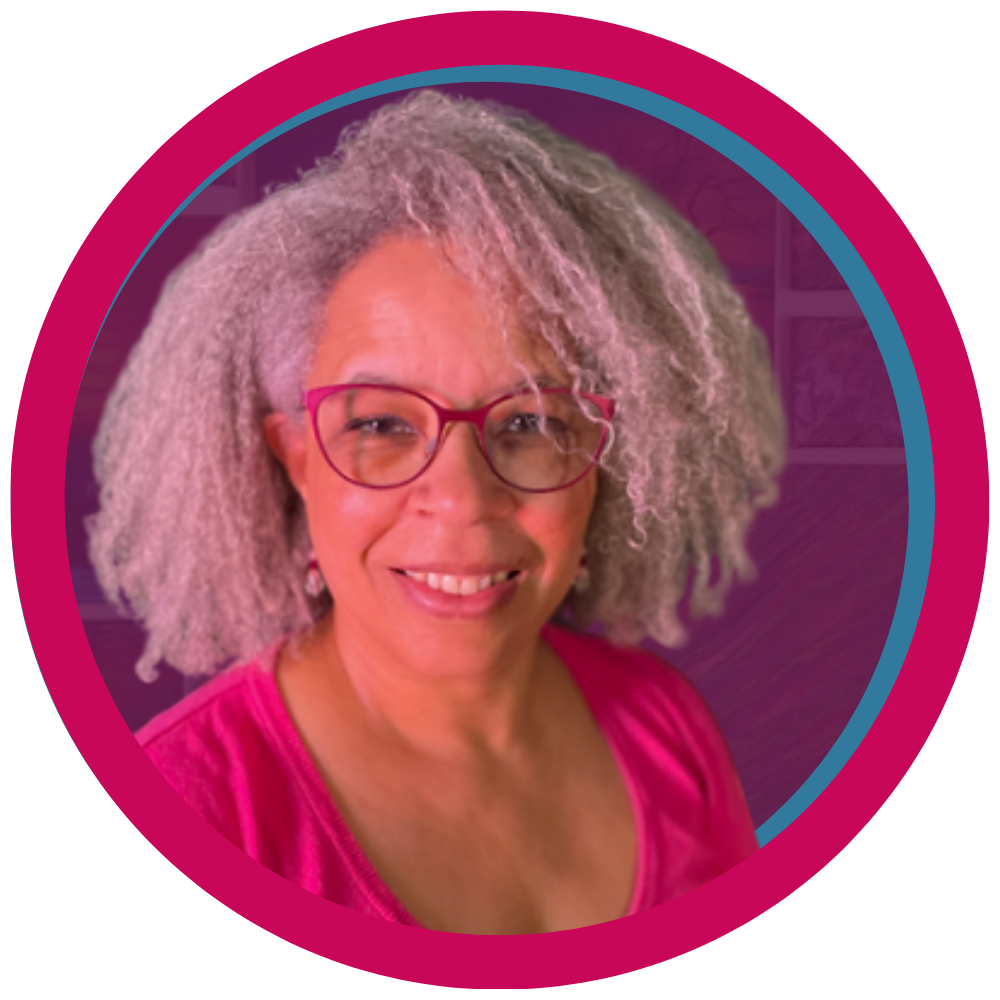
Speaker
What if the way you communicate your leadership is the very thing holding your career back?
Tanya Spencer works with women leaders to change that—by making their value visible. In male-dominated environments, too many capable, qualified women are still overlooked for promotions and opportunities.
Her work is shaped by experience at the highest stakes—from conflict zones to corporate leadership—alongside authoring two books and training over 6,000 professionals.
She is the founder of F🤬ck Being Stuck Coaching and creator of programs like Dare to Influence, where she turns complex power dynamics into clear, practical ways to communicate your value.
Through her work, Tanya helps you build influence, increase visibility, and own your voice—without overthinking, overexplaining, or shrinking yourself.
It’s what she calls Bad-Asshery.